- Animals
- Reptiles
- Snakes
The snakes stayed large and thrived even when cooling temperatures and shrinking habitats killed off other giant reptiles millions of years ago.
0 Comments Join the conversationWhen you purchase through links on our site, we may earn an affiliate commission. Here’s how it works.
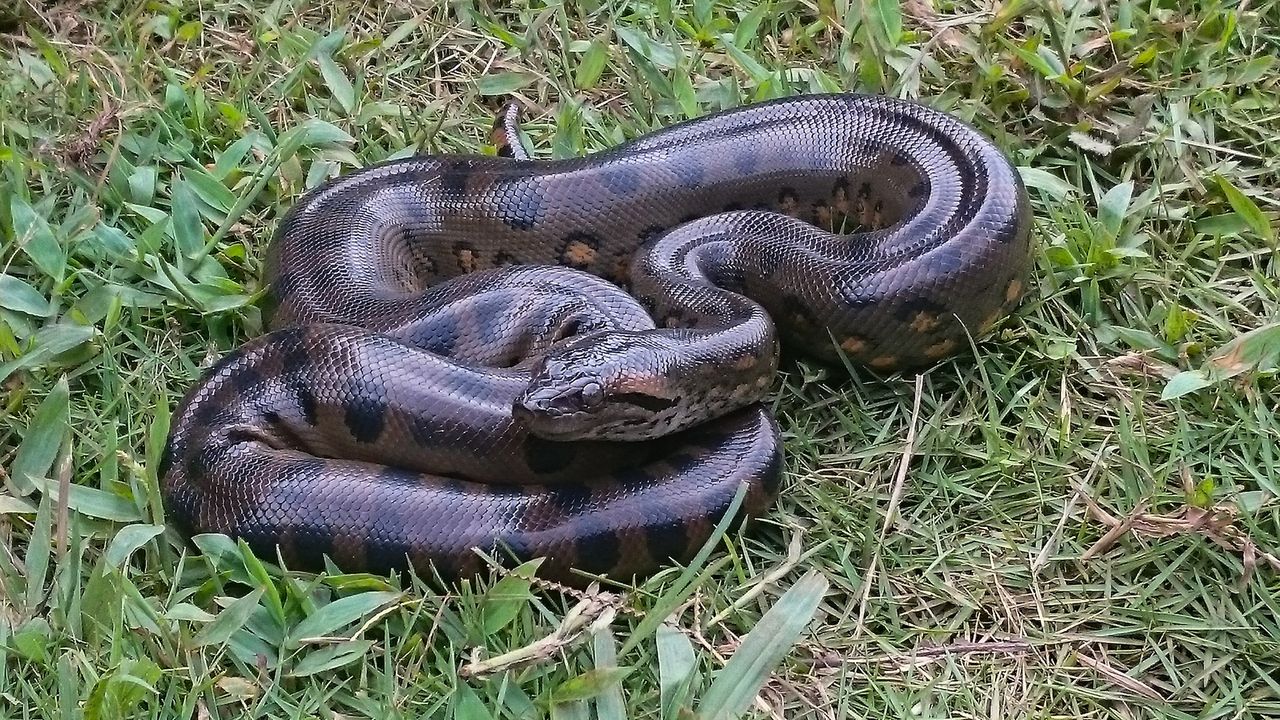
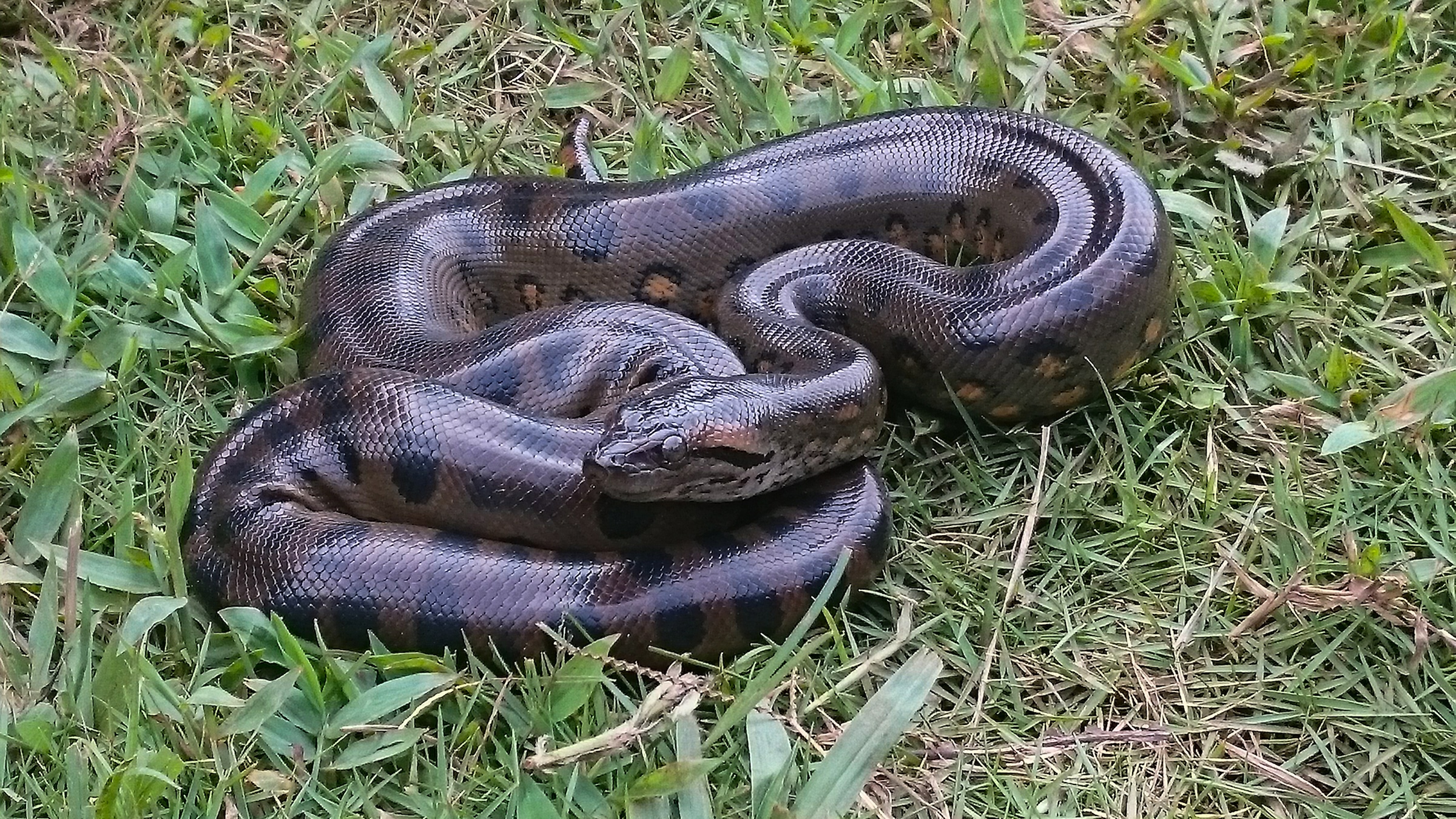 Anacondas average between 13 and 16 feet (4 to 5 meters) long, the same length they've been for 12 million years.
(Image credit: Andres Alfonso-Rojas)
Anacondas average between 13 and 16 feet (4 to 5 meters) long, the same length they've been for 12 million years.
(Image credit: Andres Alfonso-Rojas)
Anacondas have been giant for millions of years, a new study finds.
The enormous snakes' average body size has remained constant since they first appeared in the fossil record about 12.4 million years ago, during the Middle Miocene (16 million to 11.6 million years ago), researchers revealed in a new study published Monday (Dec. 1) in the Journal of Vertebrate Paleontology.
You may like-
 Cold snap in Florida made Burmese python puke up a whole deer
-
 240 million-year-old 'warrior' crocodile ancestor from Pangaea had plated armor — and it looked just like a dinosaur
-
 Venomous snake strikes captured in extreme detail through high-speed videos for first time
"Other species like giant crocodiles and giant turtles have gone extinct since the Miocene, probably due to cooling global temperatures and shrinking habitats," study co-author Andrés Alfonso-Rojas, a vertebrate paleontologist at the University of Cambridge, said in a statement. "But the giant anacondas have survived — they are super-resilient."
Anacondas make up a group of constricting snakes that today includes the heaviest snake species in the world. Modern anacondas average 13 to 16 feet (4 to 5 meters) in length, though the largest can reach up to 23 feet (7 m). Scientists weren't sure whether anacondas had been even larger during the Miocene, or whether they had been the same size and retained their massive size into the present day.
To estimate how big ancient anacondas might have been, Alfonso-Rojas and his colleagues measured 183 fossilized anaconda vertebrae from at least 32 individual snakes collected in Venezuela. They also used a technique called ancestral state reconstruction to predict the body lengths of ancient anacondas from characteristics of related snakes.
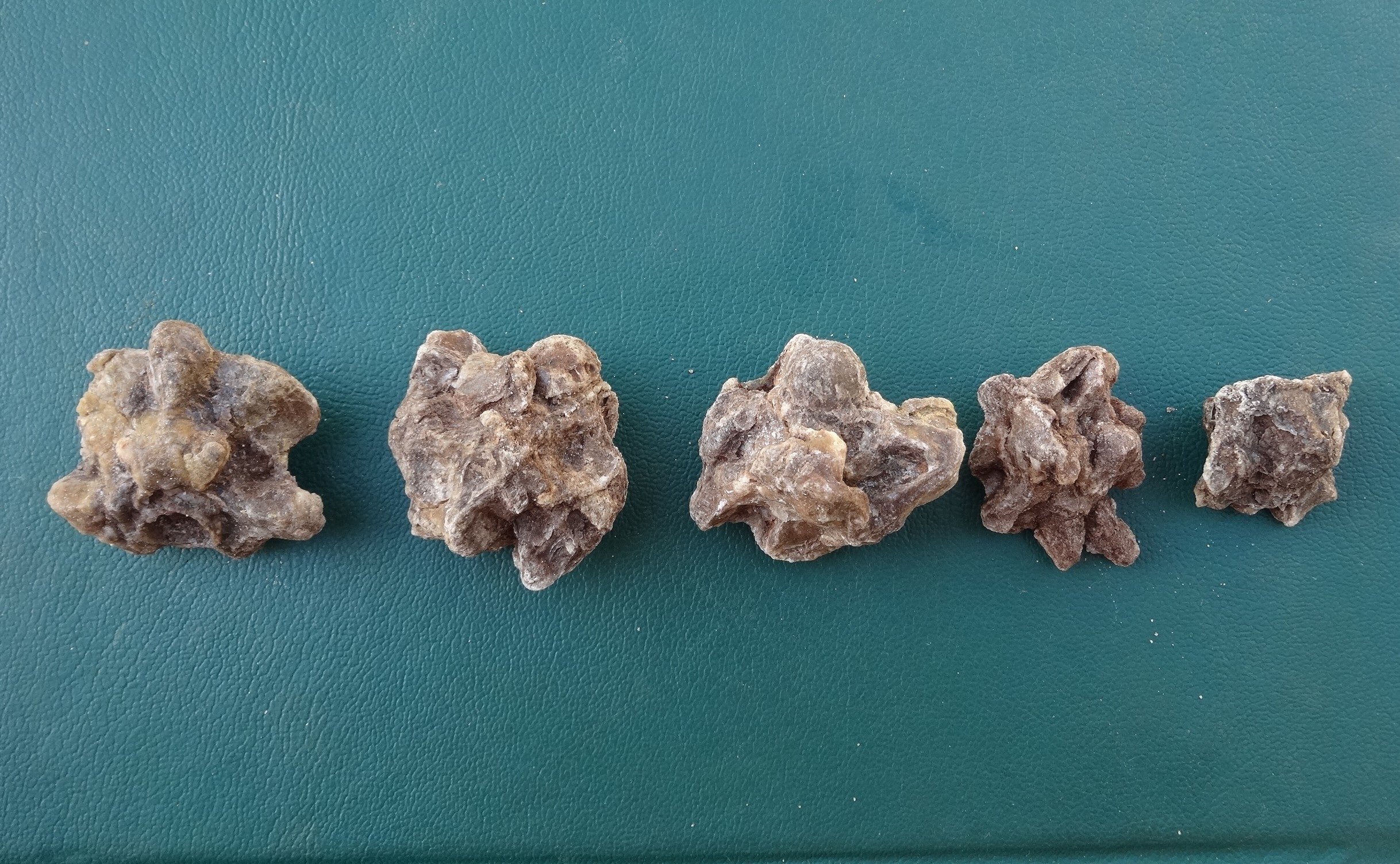
Based on these calculations, the team found that anacondas averaged about 17 feet (5.2 m) long when they first appeared during the Miocene 12 million years ago — roughly the same length as modern anacondas.
Sign up for the Live Science daily newsletter nowContact me with news and offers from other Future brandsReceive email from us on behalf of our trusted partners or sponsorsBy submitting your information you agree to the Terms & Conditions and Privacy Policy and are aged 16 or over."This is a surprising result because we expected to find the ancient anacondas were seven or eight meters [23 to 26 feet] long," Alfonso-Rojas said in the statement. "But we don't have any evidence of a larger snake from the Miocene when global temperatures were warmer."
It's still unclear why anacondas have not become smaller over time.
RELATED STORIES—How we found the northern green anaconda, a new species of the heaviest snake on Earth
—50-foot 'king of the serpents' may have been the biggest snake to ever live
—Mysterious 160 million-year-old creature unearthed on Isle of Skye is part lizard, part snake
Although warm weather and abundant wetlands may have enabled anacondas to reach their giant size early in their evolutionary history, cooler temperatures and shrinking ranges haven't forced the snakes to get smaller to adapt. That could suggest that these weren't the primary factors keeping the snakes large in the intervening millennia, the researchers wrote in the study.
Predator-prey interactions likely didn't play a major role in maintaining the snakes' body size, either, the researchers said. A lack of competition for food could have helped the snakes grow large in the first place. But they didn't get smaller as other predators moved into South America during the Pliocene (5.3 million to 2.6 million years ago) and the Pleistocene (2.6 million to 11,700 years ago), suggesting that food availability isn't a big factor in anacondas' giant size.
Snake quiz: How much do you know about the slithering reptiles?
 Skyler WareSocial Links NavigationLive Science Contributor
Skyler Ware is a freelance science journalist covering chemistry, biology, paleontology and Earth science. She was a 2023 AAAS Mass Media Science and Engineering Fellow at Science News. Her work has also appeared in Science News Explores, ZME Science and Chembites, among others. Skyler has a Ph.D. in chemistry from Caltech.
You must confirm your public display name before commenting
Please logout and then login again, you will then be prompted to enter your display name.
Logout Read more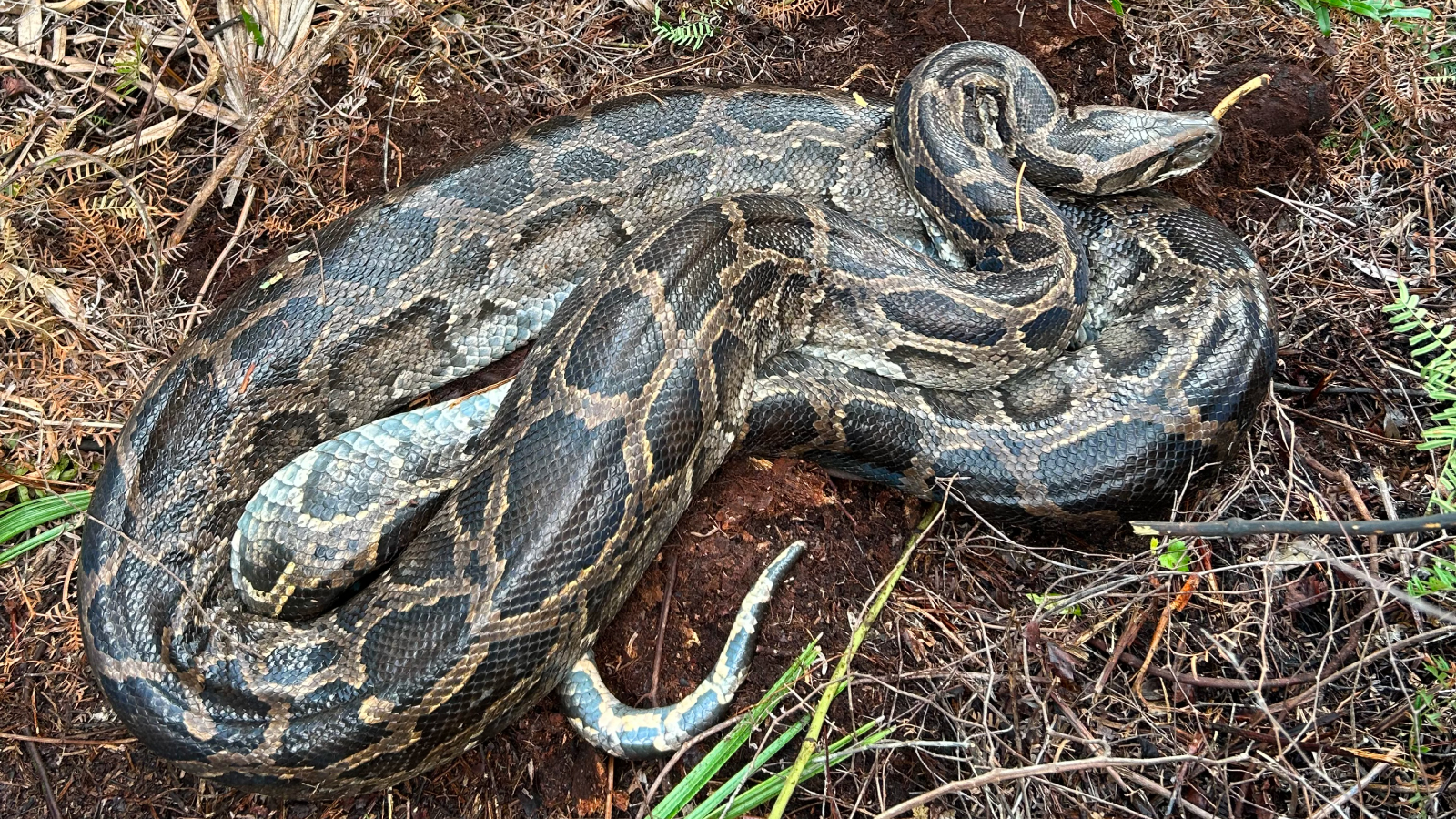 Cold snap in Florida made Burmese python puke up a whole deer
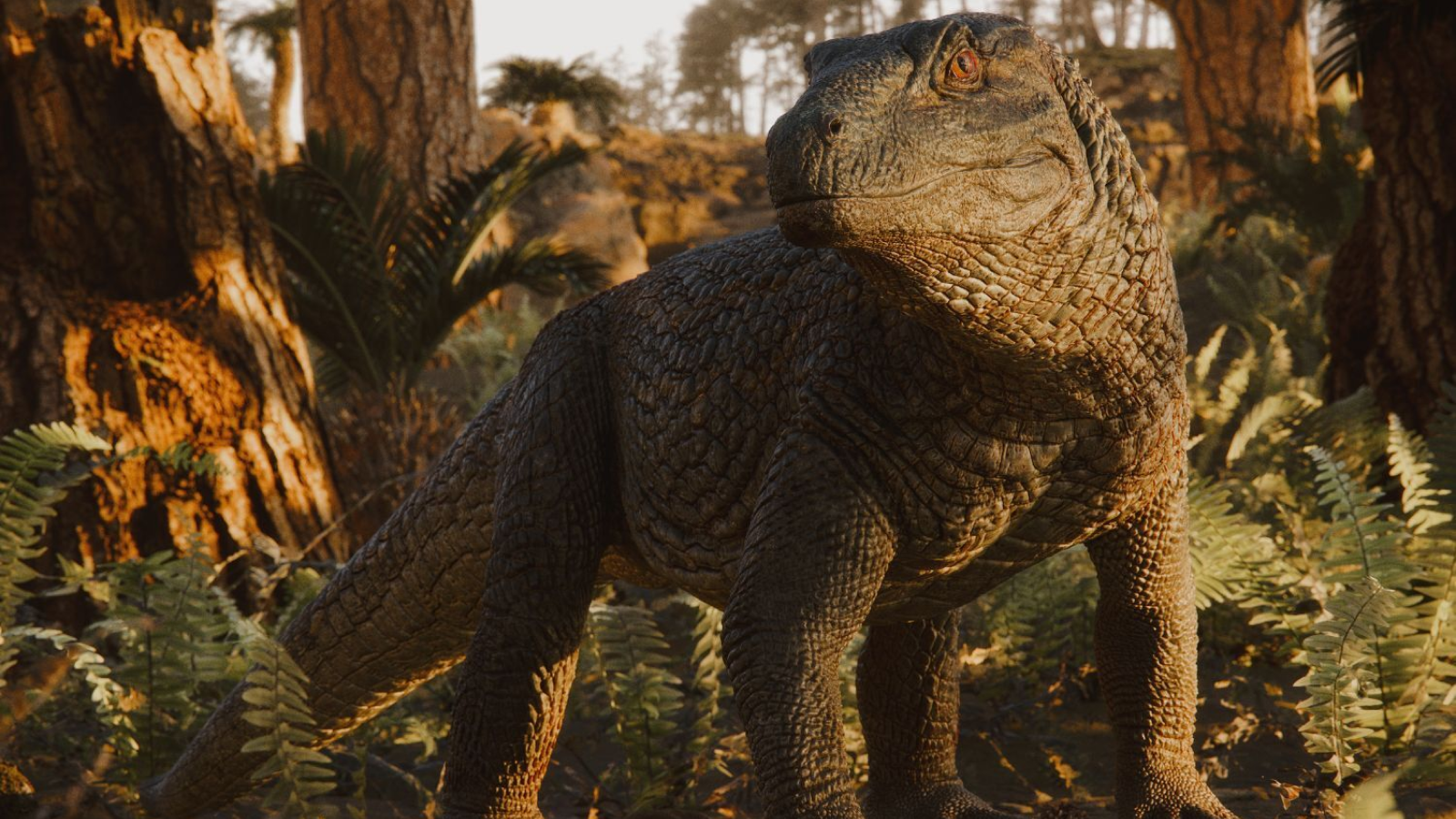 240 million-year-old 'warrior' crocodile ancestor from Pangaea had plated armor — and it looked just like a dinosaur
Venomous snake strikes captured in extreme detail through high-speed videos for first time
240 million-year-old 'warrior' crocodile ancestor from Pangaea had plated armor — and it looked just like a dinosaur
Venomous snake strikes captured in extreme detail through high-speed videos for first time
 Fossil of huge penguin that lived 3 million years ago discovered in New Zealand — what happened to it?
 New species of Jurassic 'sword dragon' could help solve an evolutionary mystery
 Gigantic dinosaur with 'claws like hedge trimmers' found with croc leg still in its jaws in Argentina
Latest in Snakes
Venomous snake strikes captured in extreme detail through high-speed videos for first time
Gigantic dinosaur with 'claws like hedge trimmers' found with croc leg still in its jaws in Argentina
Latest in Snakes
Venomous snake strikes captured in extreme detail through high-speed videos for first time
 Scientists could soon create a 'universal antivenom.' But would it save lives?
Cold snap in Florida made Burmese python puke up a whole deer
Scientists could soon create a 'universal antivenom.' But would it save lives?
Cold snap in Florida made Burmese python puke up a whole deer
 Scientists discover Burmese pythons have never-before-seen cells that help them digest entire skeletons
 Florida bobcat bites the head off of 13-foot Burmese python in the Everglades
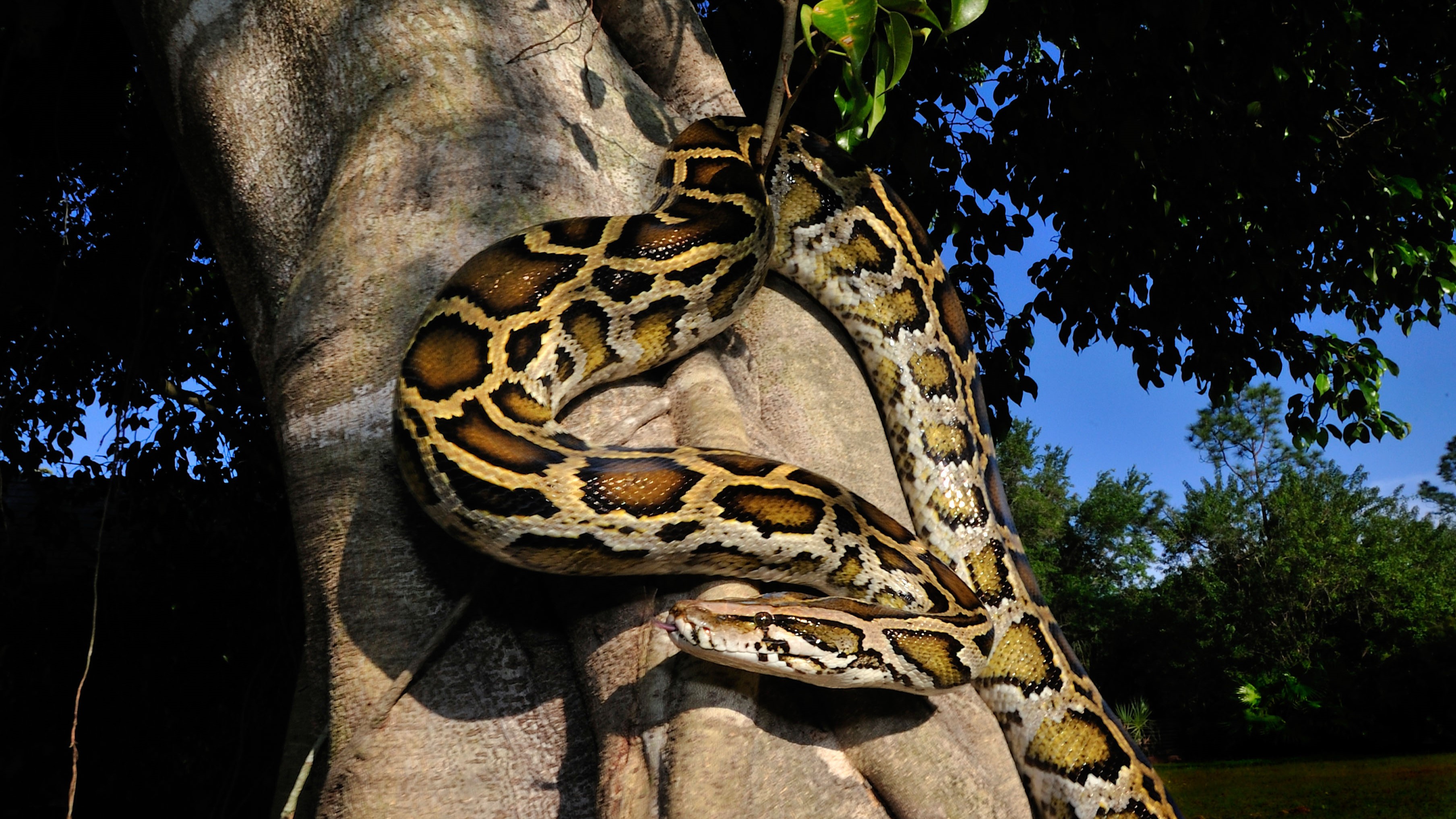 'An up-tempo version of Darwinian evolution': How a mega freeze in Florida may have caused Burmese pythons to evolve at a blindingly fast speed
Latest in News
'An up-tempo version of Darwinian evolution': How a mega freeze in Florida may have caused Burmese pythons to evolve at a blindingly fast speed
Latest in News
 Gray hair may have evolved as a protection against cancer, study hints
 How to find the 'Christmas Star' — and what it really is
 Glue strong enough to tow a car made from used cooking oil
 Historic search for 'huge missing piece' of the universe turns up negative — but reveals new secrets of particle physics
 Today's biggest science news: Japan earthquake | Robot kicks CEO | Northern Lights forecast
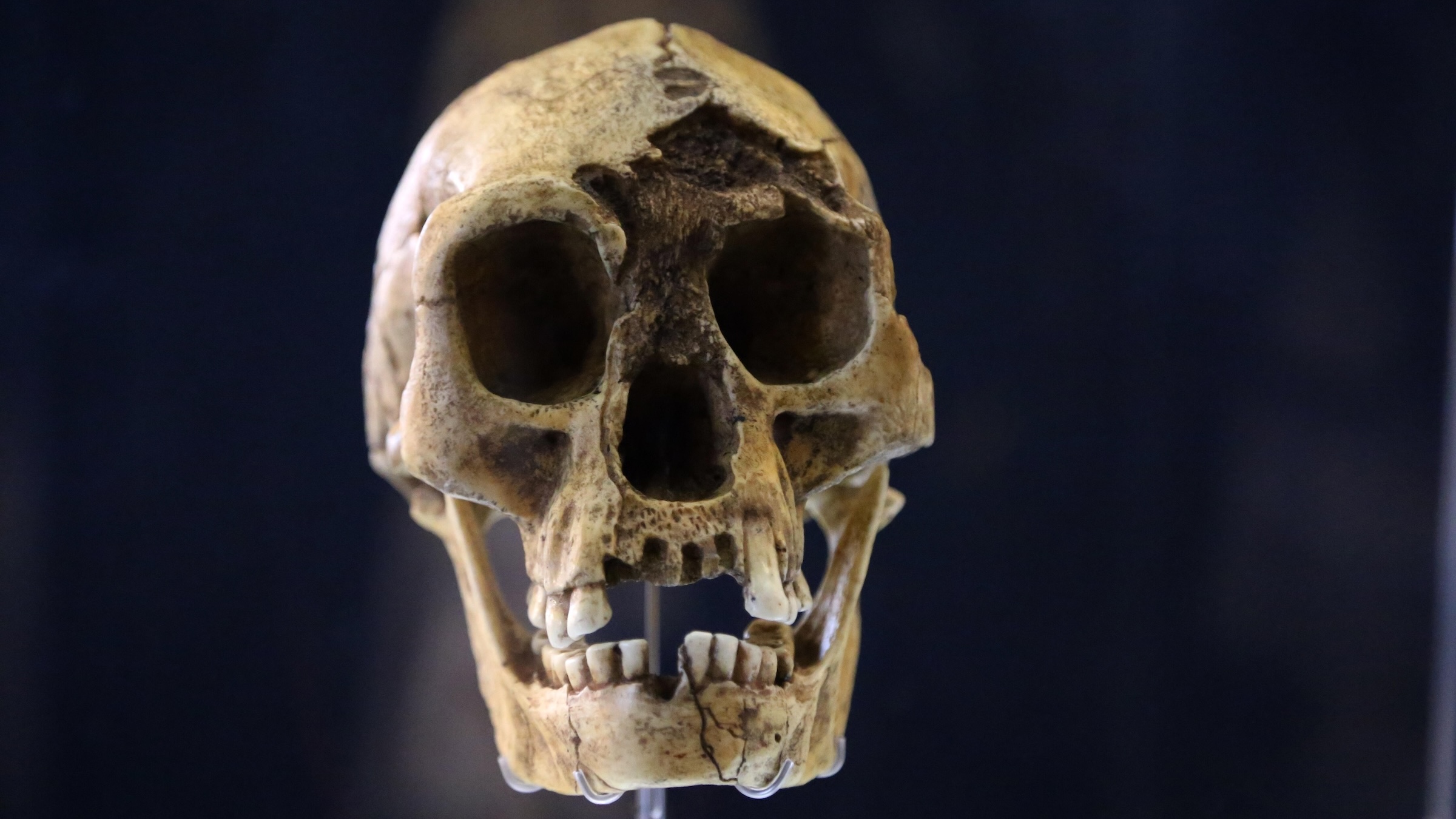 The 'hobbits' may have died out when drought forced them to compete with modern humans, new research suggests
LATEST ARTICLES
The 'hobbits' may have died out when drought forced them to compete with modern humans, new research suggests
LATEST ARTICLES- 1Gray hair may have evolved as a protection against cancer, study hints
- 2Is the 'Star of Bethlehem' really a planet? A bright visitor this month may hold a clue.
- 3Rare 'sunglint' transforms Alabama River into a giant 'golden dragon' — Earth from space
- 4Glue strong enough to tow a car made from used cooking oil
- 5Historic search for 'huge missing piece' of the universe turns up negative — but reveals new secrets of particle physics