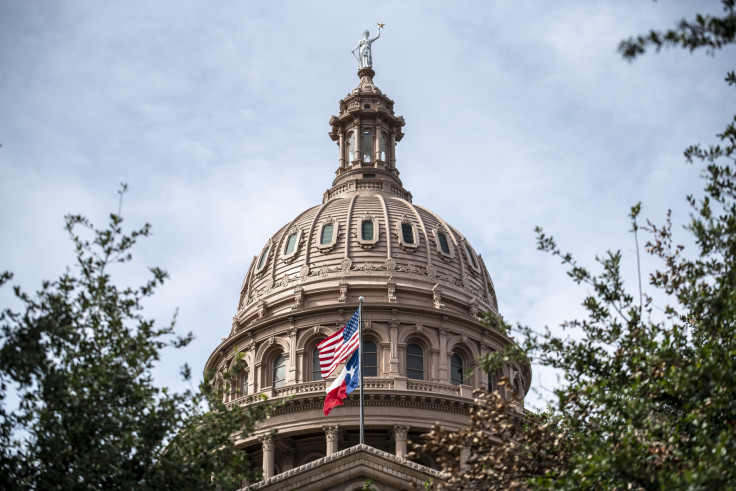
 According to a project analysis conducted by the Future Caucus, Gen Z and Millennials make up approximately 21% of all state legislators.
Getty Images
According to a project analysis conducted by the Future Caucus, Gen Z and Millennials make up approximately 21% of all state legislators.
Getty Images
The current economic landscape in the United States has forced many people to reassess their careers and explore other paths as they search for financial stability, as well as relief from political tensions.
A murky political climate marked by controversy and increasing violence, combined with stagnant pay and contentious legislatures, is pushing younger generations of state lawmakers to seek other career paths, according to a new report by Future Caucus shared with Axios.
The study found that many considering an exit from politics are doing so not because they lack commitment to public service, but because better-paying and more stable opportunities exist elsewhere.
Related-
Ron DeSantis Sounds Alarm About GOP's Stunning Loss In Texas Special Election: 'Not Something That Can Be Dismissed'

-
New York's Hochul Backs Ban on ICE Cooperation, Says Agency Will Not 'Weaponize Local Police Officers'

The nonpartisan nonprofit group, made up of Gen Z and Millennial policymakers, conducted nearly 100 interviews with local officials across 31 states. It found that 81% of the respondents said their legislative pay, which averaged $44,320 in 2024, does not cover current living costs.
In the interviews, respondents also cited routine death threats, armed protesters in legislative galleries and explicit fears for the safety of spouses and children as additional reasons why Gen Z and Millennial lawmakers are stepping away from local politics.
As noted in the report, several respondents said the June 2025 assassination of former Minnesota House Speaker Melissa Hortman and her husband fundamentally changed how they assess the risks of remaining in office.
Michael F. Smith, a Republican member of the Delaware House of Representatives, told Axios he has been forced to have conversations about safety with his three children, ages 14, 11 and 5, urging them to tell him if they see or hear anything concerning.
"I've gotten threatened in person, in the mailbox, in email, you name it. I hate to say it this way, but it's unfortunate how normal it is now," Smith said.
In addition to serving as a state representative since 2018, Smith holds a second job at the University of Delaware and said he has considered leaving office "almost daily," though his wife continues to urge him not to.
For Future Caucus President and CEO Layla Zaidane, the issue is not only the rise in threats against public servants, but also that many states lack centralized systems to protect lawmakers or track incidents.
"People imagine them as members of Congress who have staff and bodyguards. No. They're just regular people, and everybody knows where they live," Zaidane told Axios.
According to the study, Gen Z and millennial lawmakers make up about 21% of state legislators. Because of their age and upbringing in the era of social media, much of the harassment they face occurs online.
Respondents from both parties said threats of political violence have led them to quietly treat public service as an "exit interview," weighing when — not whether — to step away, the report said.
Related-
Marjorie Taylor Greene Celebrates Hillary Clinton's Request To Hold a Public Hearing Over Epstein Files: 'Much Needed Right Now'

-
Rep. Robert Garcia Says He Will Seek To Interview Trump Over Epstein Files If Dems Retake The House In The Midterms

© 2025 Latin Times. All rights reserved. Do not reproduce without permission.
Tags: United States, Politics, Gen Z