- Archaeology
A genetic study of 80 skulls found at a Stone Age city in China has revealed that the sacrificed people were mostly men, in contrast to previous assumptions.
6 Comments Join the conversationWhen you purchase through links on our site, we may earn an affiliate commission. Here’s how it works.
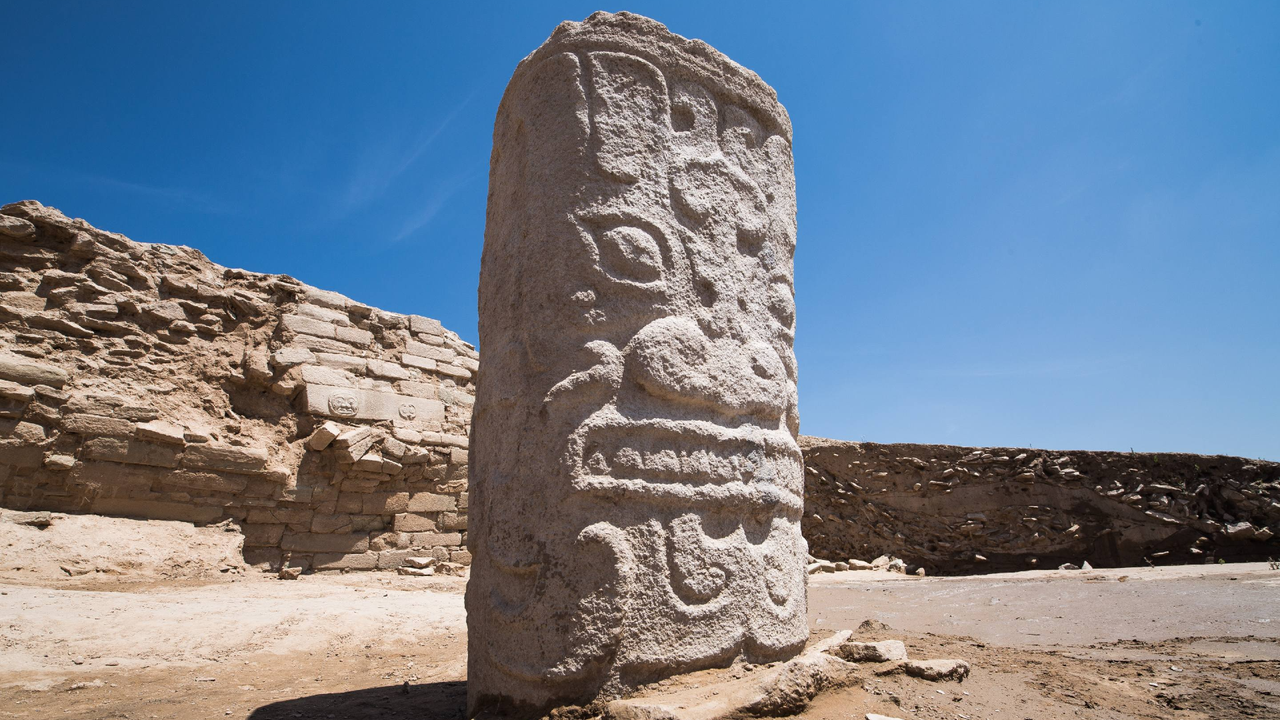
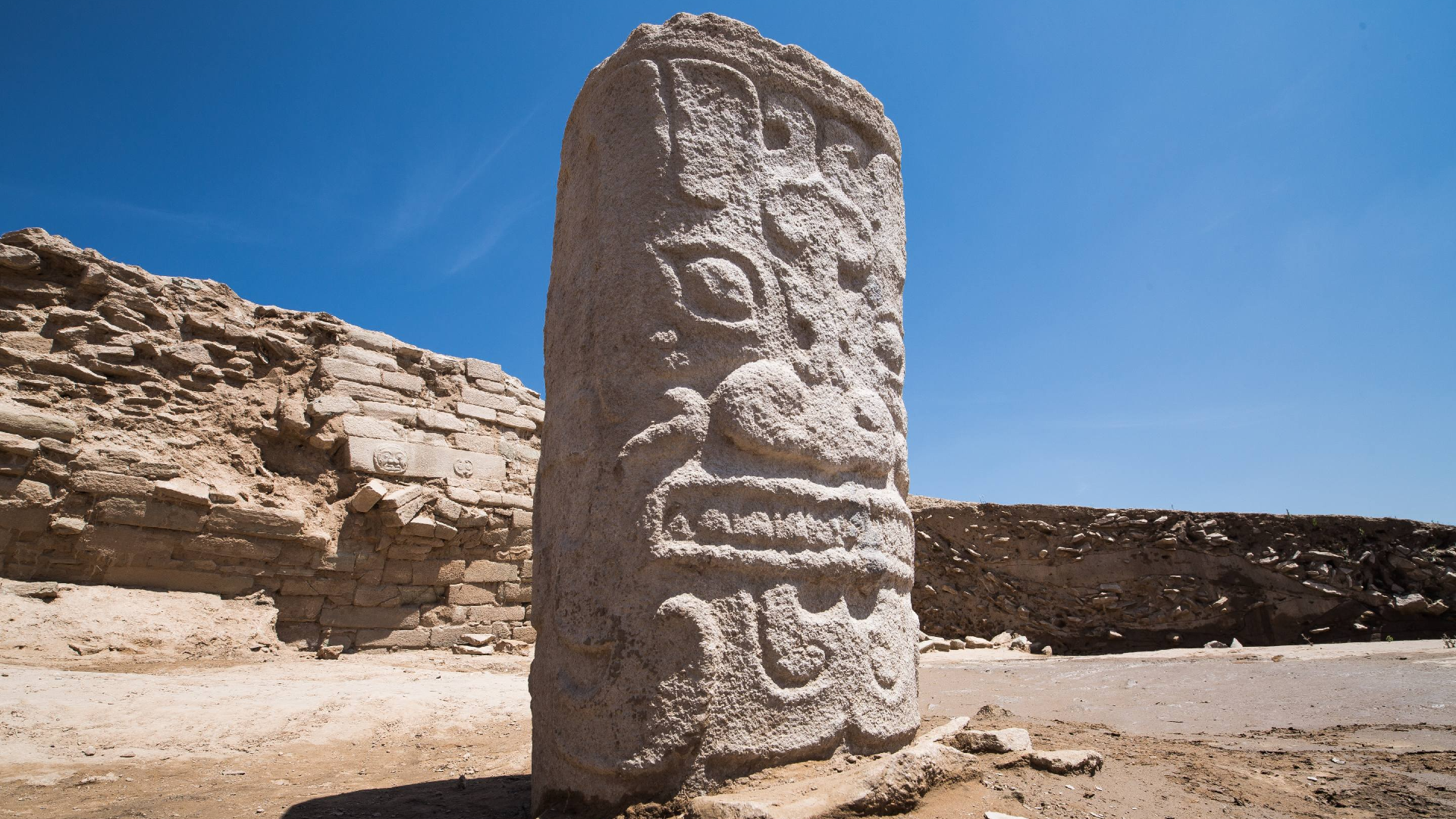 An ancient carved stone at the site of Shimao in China.
(Image credit: IVPP/CAS)
An ancient carved stone at the site of Shimao in China.
(Image credit: IVPP/CAS)
Just outside the gate of a 4,000-year-old city in China, archaeologists found a pit full of 80 skulls from human sacrifice victims. Now, a new study has revealed a surprising fact about the victims: Nine out of 10 were men.
In the study, published Nov. 26 in the journal Nature, researchers analyzed DNA collected from skeletons found in the ancient city of Shimao and its satellite towns to figure out the social and kinship structure of this Neolithic society.
You may like-
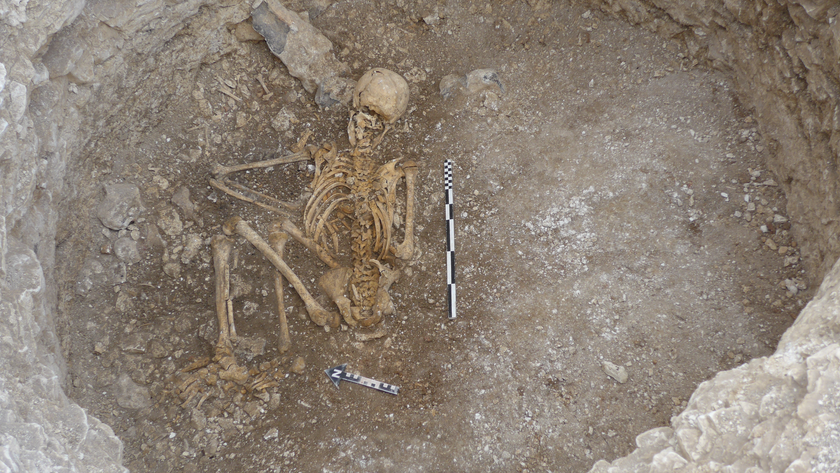 2,000-year-old Celtic teenager may have been sacrificed and considered 'disposable'
-
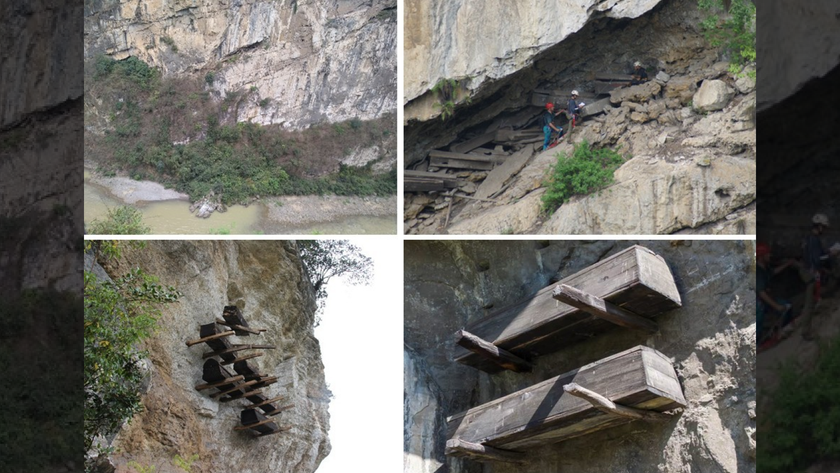 Ancient 'hanging coffin' people in China finally identified — and their descendants still live there today
-
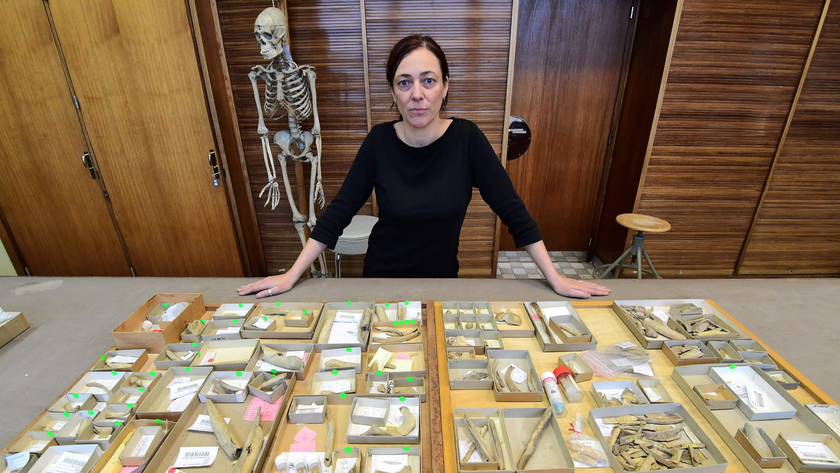 Neanderthals cannibalized 'outsider' women and children 45,000 years ago at cave in Belgium
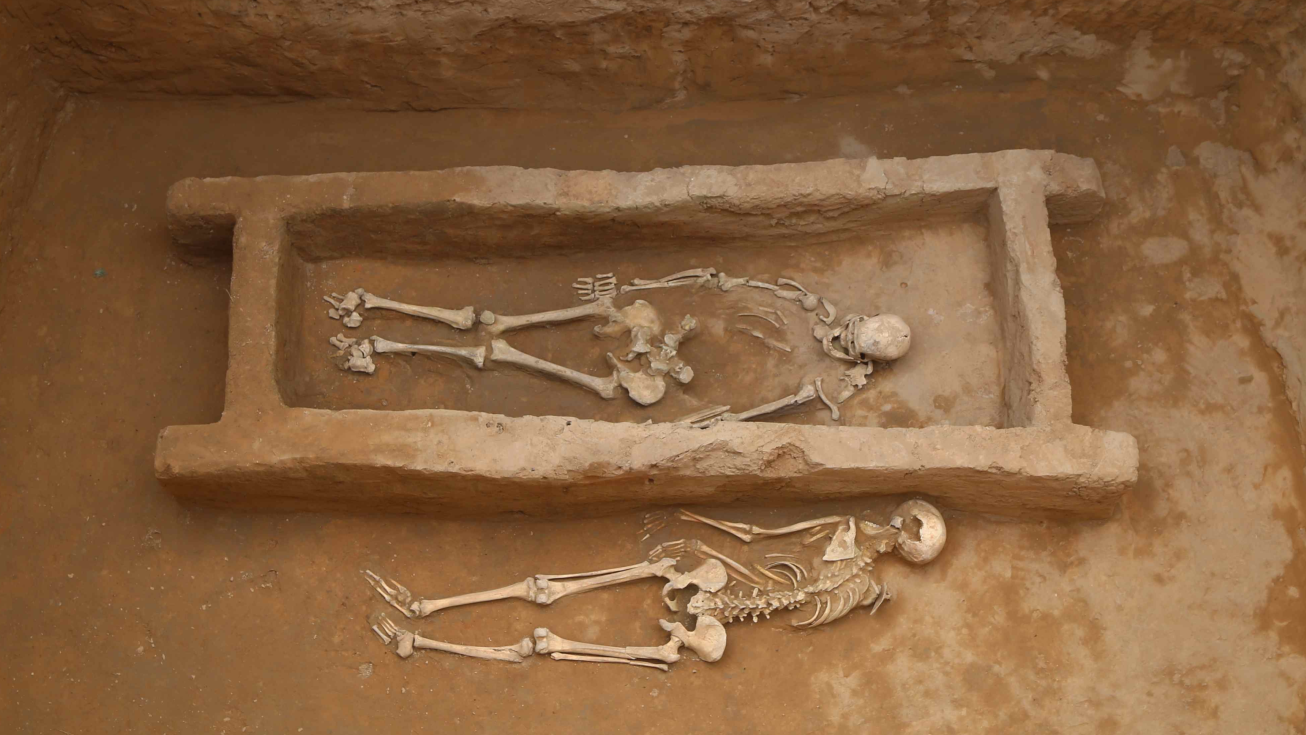
Archaeologists also found two different forms of human sacrifice: one involving the heads of decapitated individuals, buried in "skull pits" near the city gate; and another involving the entombing of a lower-status individual — usually a female — as a sacrifice in a higher-status person's burial.
In the new study, the researchers used DNA analysis to figure out the biological sex of the skulls in the pit discovered beneath the foundation of Shimao's Dongmen (East Gate).
"In contrast to previous archaeological reports that identified these sacrifices as female-based," the researchers wrote in the study, the new DNA results "showed no evidence of female bias, with 9 out of 10 victims being men."
This finding surprised archaeologists, because the sacrifices associated with the elite burials at Shimao and its satellite towns were predominantly female.
Sign up for the Live Science daily newsletter nowContact me with news and offers from other Future brandsReceive email from us on behalf of our trusted partners or sponsorsBy submitting your information you agree to the Terms & Conditions and Privacy Policy and are aged 16 or over."These patterns of mostly female sacrifices starkly contrast with Dongmen, in which decapitation and mass burial involved mostly sampled men," the researchers wrote. "This suggests Shimao's sacrificial practices were highly structured, with gender-specific roles tied to distinct ritual purposes and locations," according to a statement from the Chinese Academy of Sciences.
RELATED STORIES—Women likely ruled in Stone Age China, DNA analysis of 4,500-year-old skeletons reveals
—5,000-year-old skeleton masks and skull cups made from human bones discovered in China
—'Overkill' injuries on Bronze Age skeletons reveal fierce feuding in ancient China
Additionally, when the researchers looked at the sacrificed men's DNA, they found no differences in their ancestry compared to the ancestry of the elite tomb occupants, meaning the sacrificial victims were not "outsiders."
Although the reason for the sex-specific sacrifice customs is still unclear, researchers have offered some possible explanations.
The cemetery-based sacrifices "may represent ancestor veneration, in which women were sacrificed to honour elite nobles or rulers," according to the researchers, while the sacrificed skulls in the pit "were probably connected to a construction ritual of the walls or gate."
Terracotta Army quiz: What do you know about the 'warriors' in the 2,200-year-old tomb of China's 1st emperor?
TOPICS anthropology China Kristina KillgroveSocial Links NavigationStaff writer
Kristina Killgrove is a staff writer at Live Science with a focus on archaeology and paleoanthropology news. Her articles have also appeared in venues such as Forbes, Smithsonian, and Mental Floss. Kristina holds a Ph.D. in biological anthropology and an M.A. in classical archaeology from the University of North Carolina, as well as a B.A. in Latin from the University of Virginia, and she was formerly a university professor and researcher. She has received awards from the Society for American Archaeology and the American Anthropological Association for her science writing.
You must confirm your public display name before commenting
Please logout and then login again, you will then be prompted to enter your display name.
Logout Read more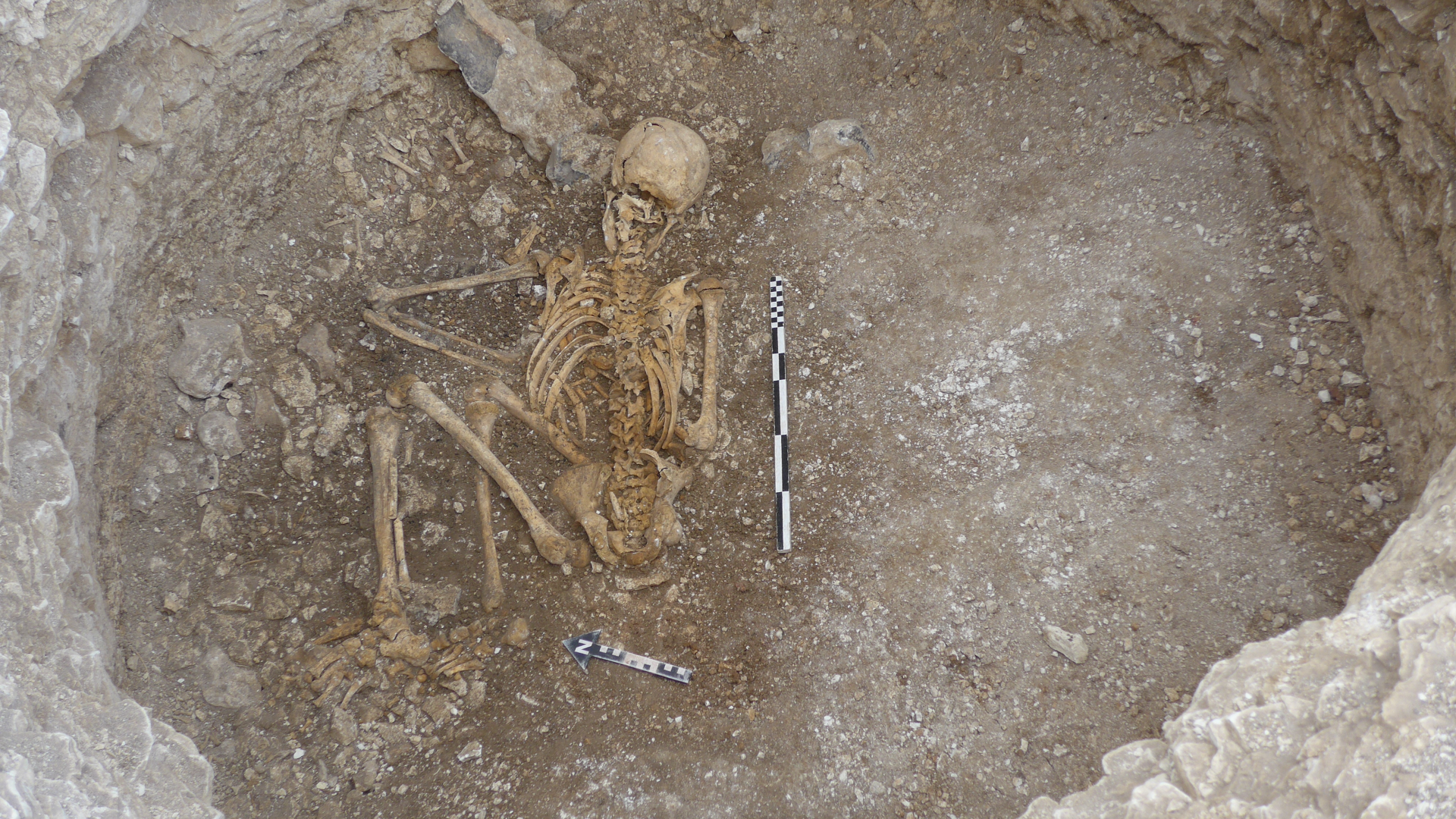 2,000-year-old Celtic teenager may have been sacrificed and considered 'disposable'
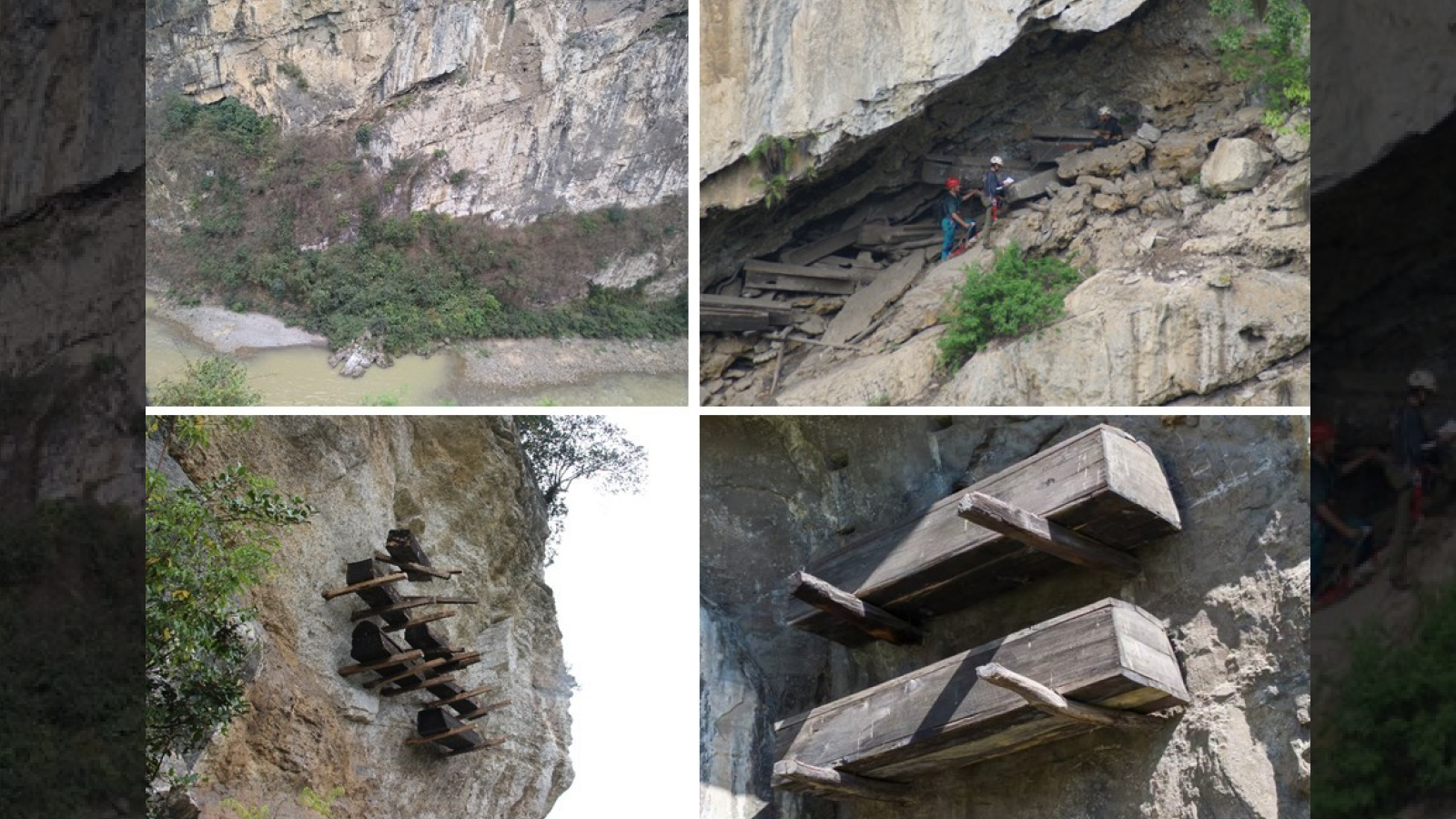 Ancient 'hanging coffin' people in China finally identified — and their descendants still live there today
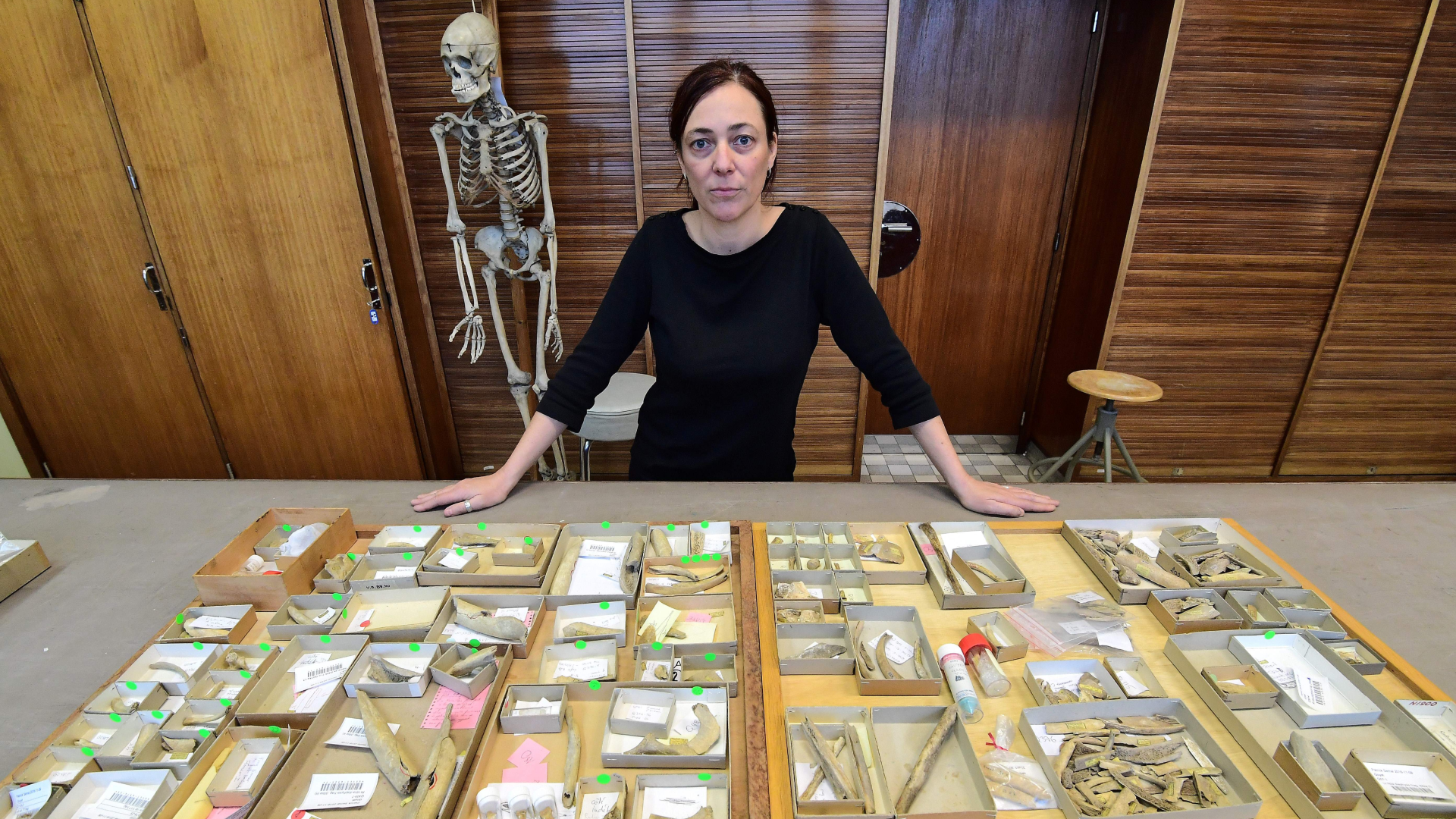 Neanderthals cannibalized 'outsider' women and children 45,000 years ago at cave in Belgium
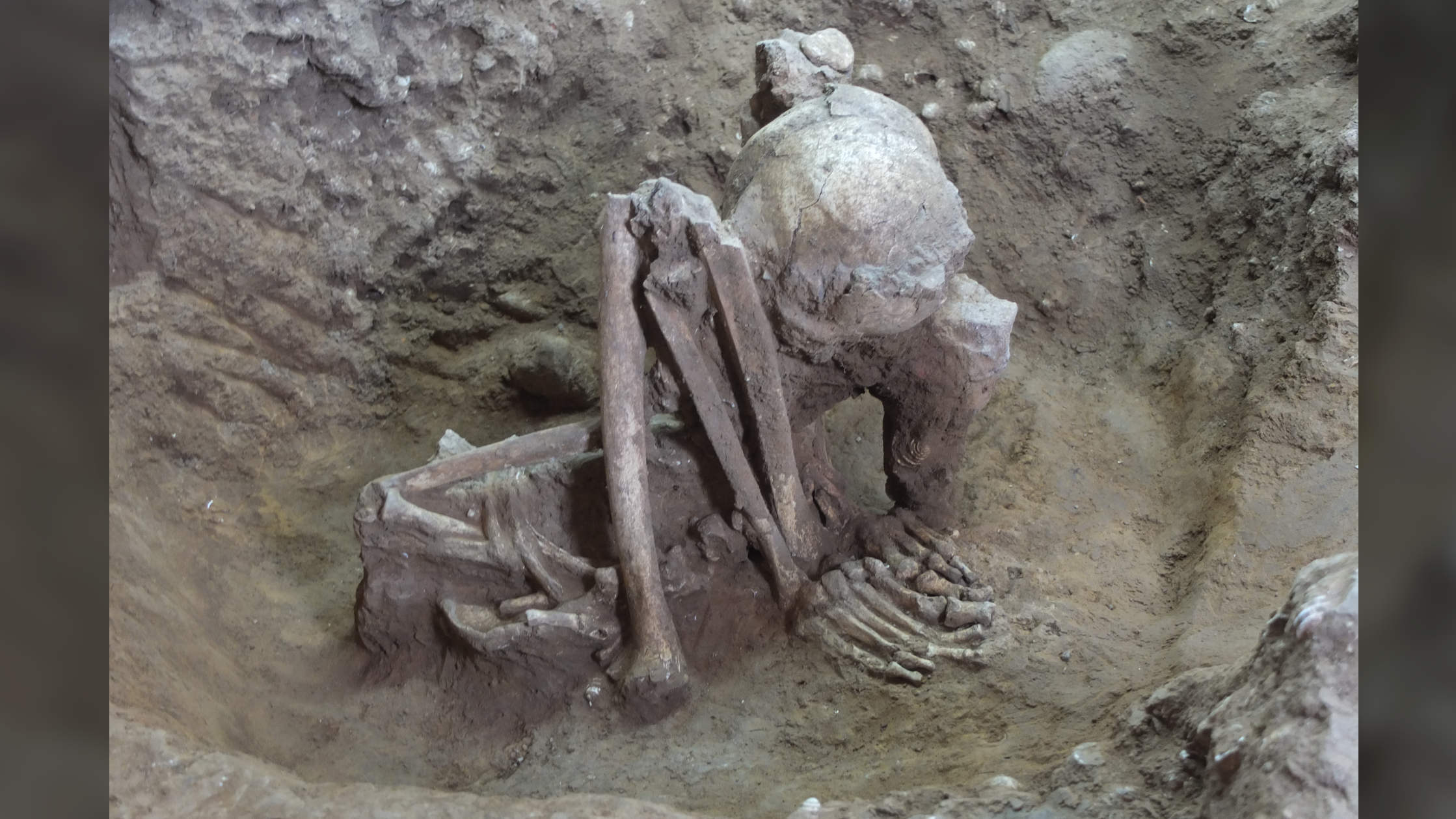 World's oldest mummies were smoke-dried 10,000 years ago in China and Southeast Asia, researchers find
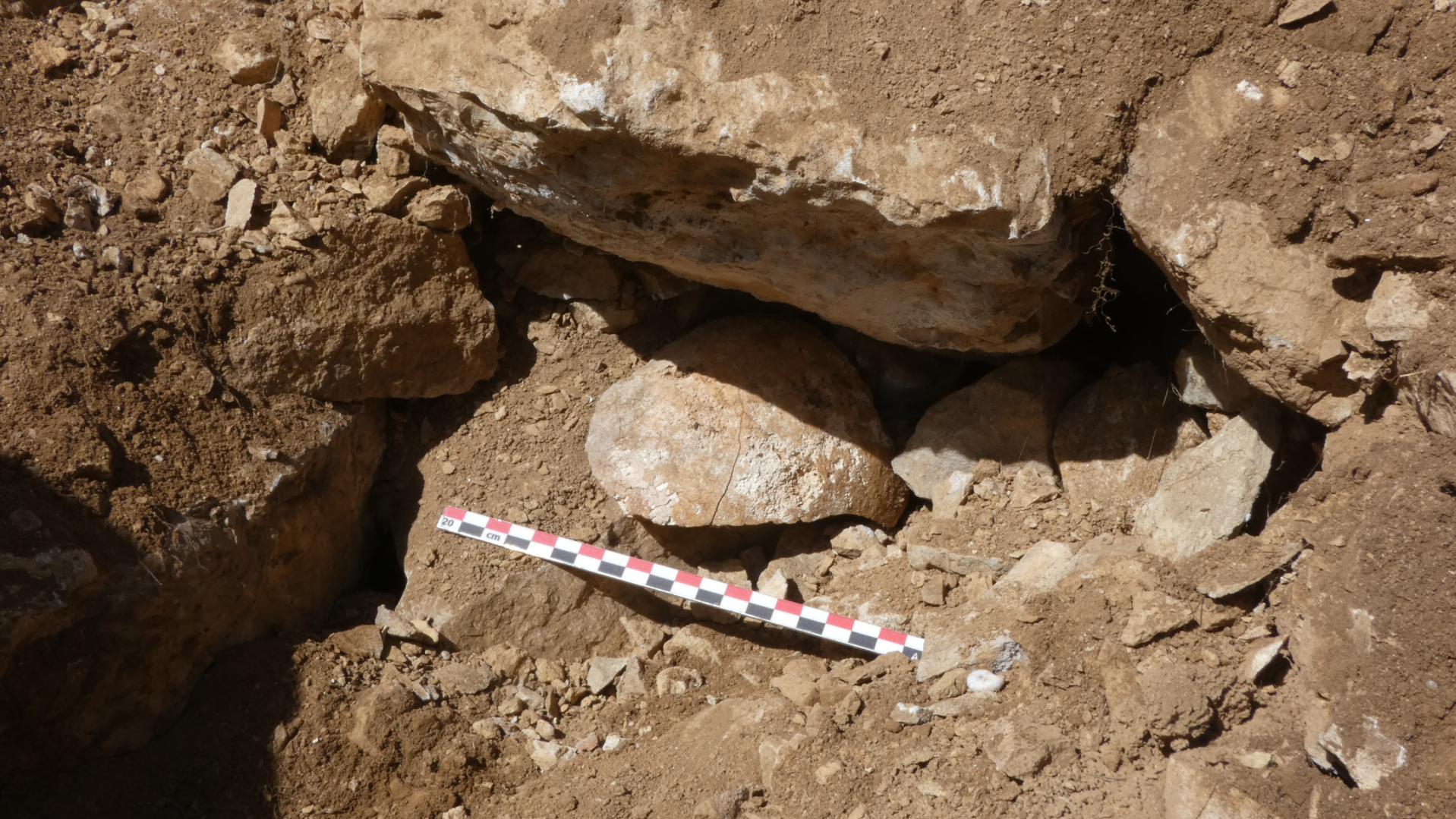 Archaeologists discover decapitated head the Romans used as a warning to the Celts
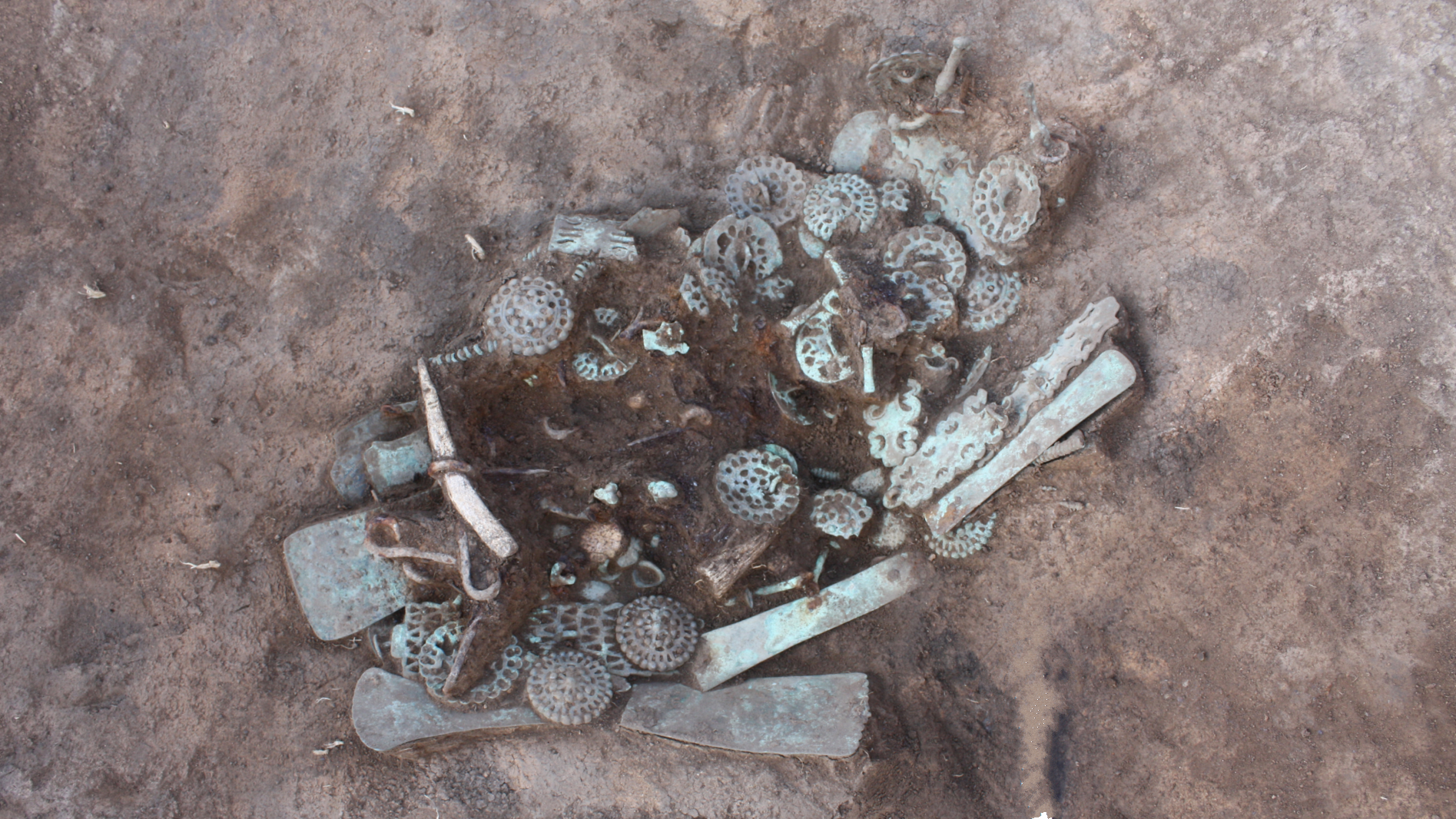 2,400-year-old 'sacrificial complex' uncovered in Russia is the richest site of its kind ever discovered
Latest in Archaeology
2,400-year-old 'sacrificial complex' uncovered in Russia is the richest site of its kind ever discovered
Latest in Archaeology
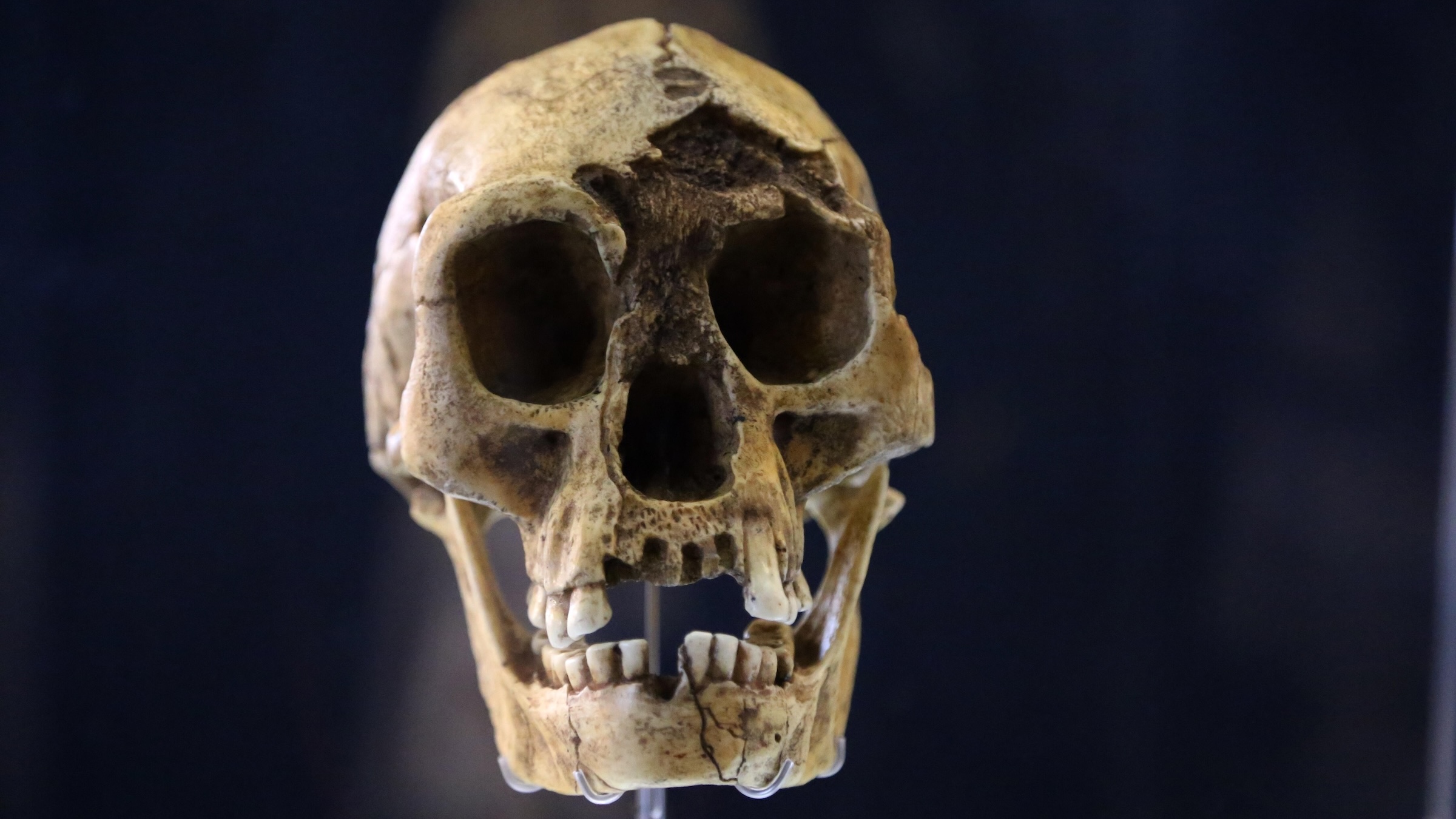 The 'hobbits' may have died out when drought forced them to compete with modern humans, new research suggests
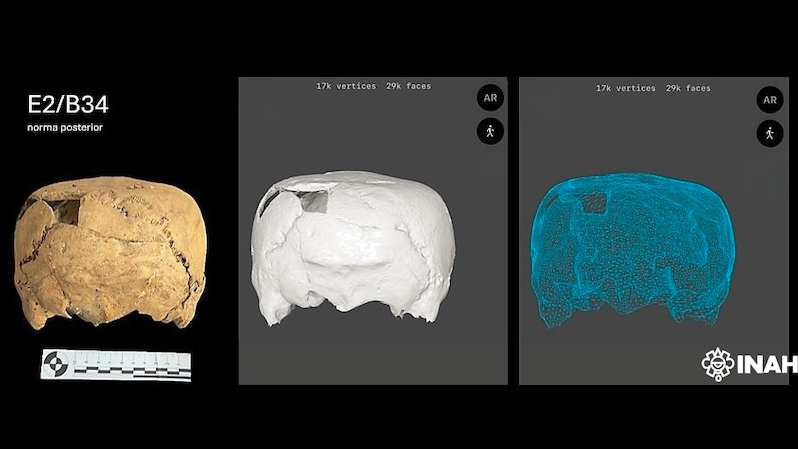 Unusual, 1,400-year-old cube-shaped human skull unearthed in Mexico
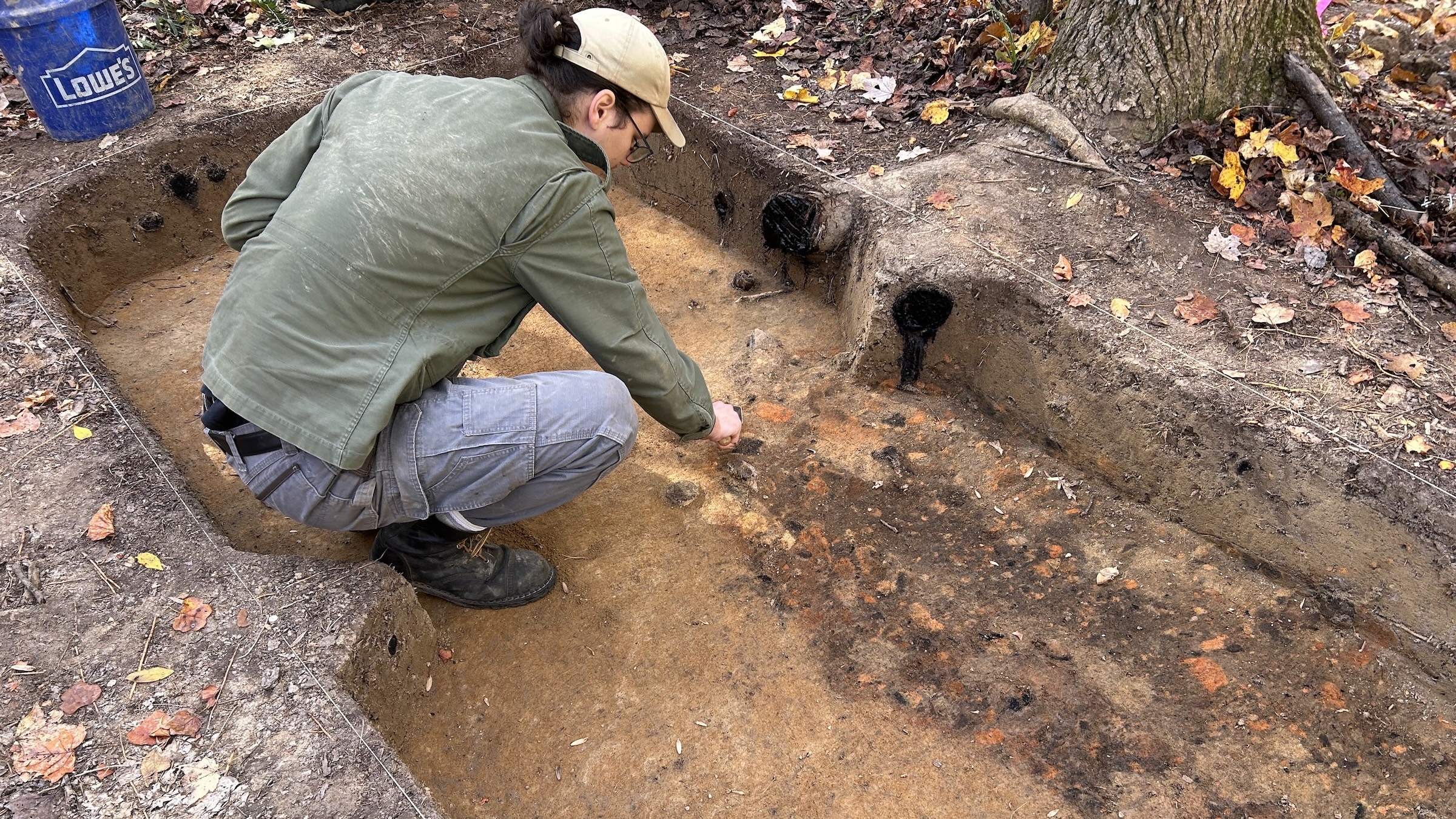 Lost Indigenous settlements described by Jamestown colonist John Smith finally found
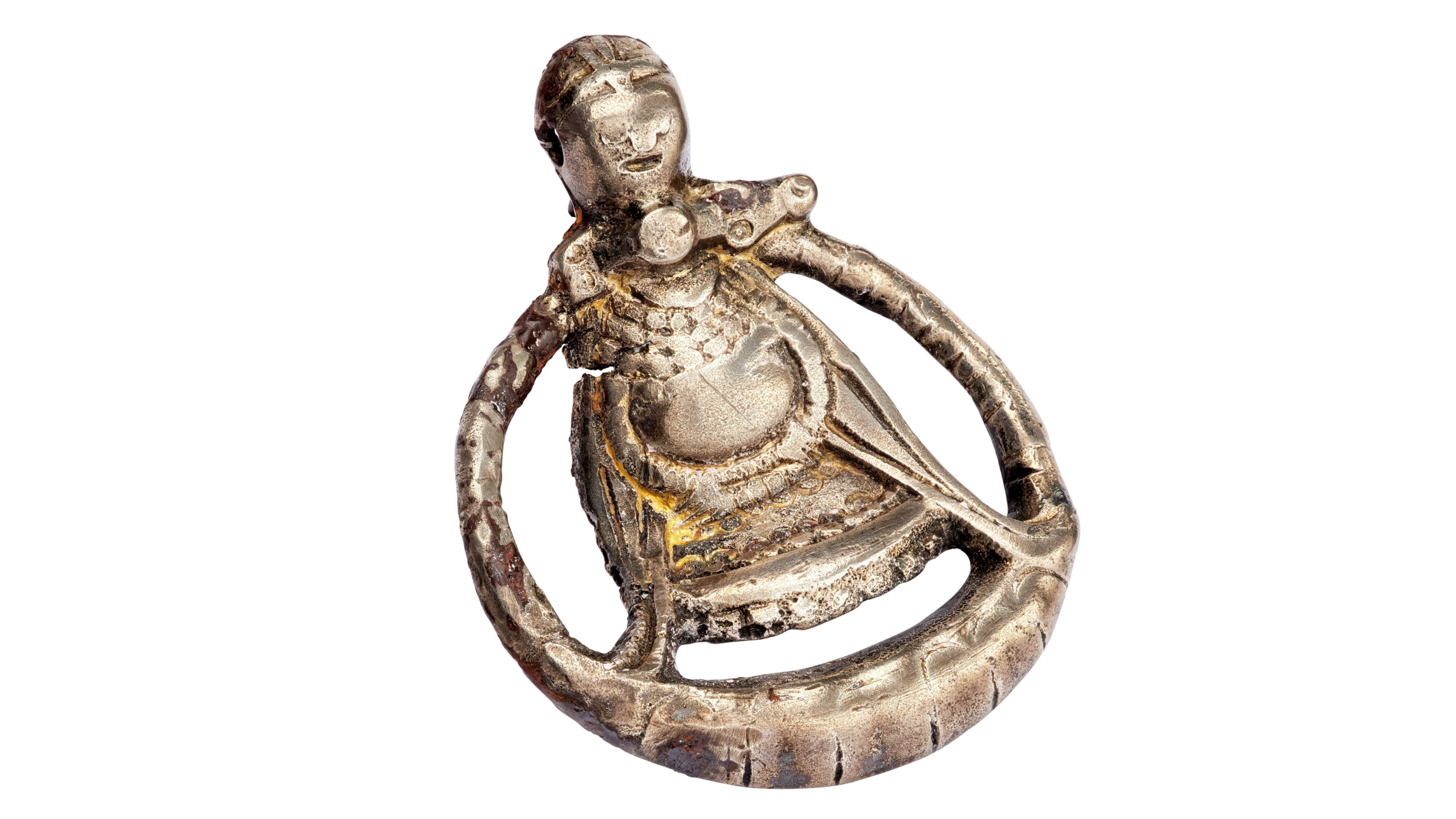 Ash Pendant: The only known depiction of a pregnant Viking woman
2,400-year-old 'sacrificial complex' uncovered in Russia is the richest site of its kind ever discovered
Ash Pendant: The only known depiction of a pregnant Viking woman
2,400-year-old 'sacrificial complex' uncovered in Russia is the richest site of its kind ever discovered
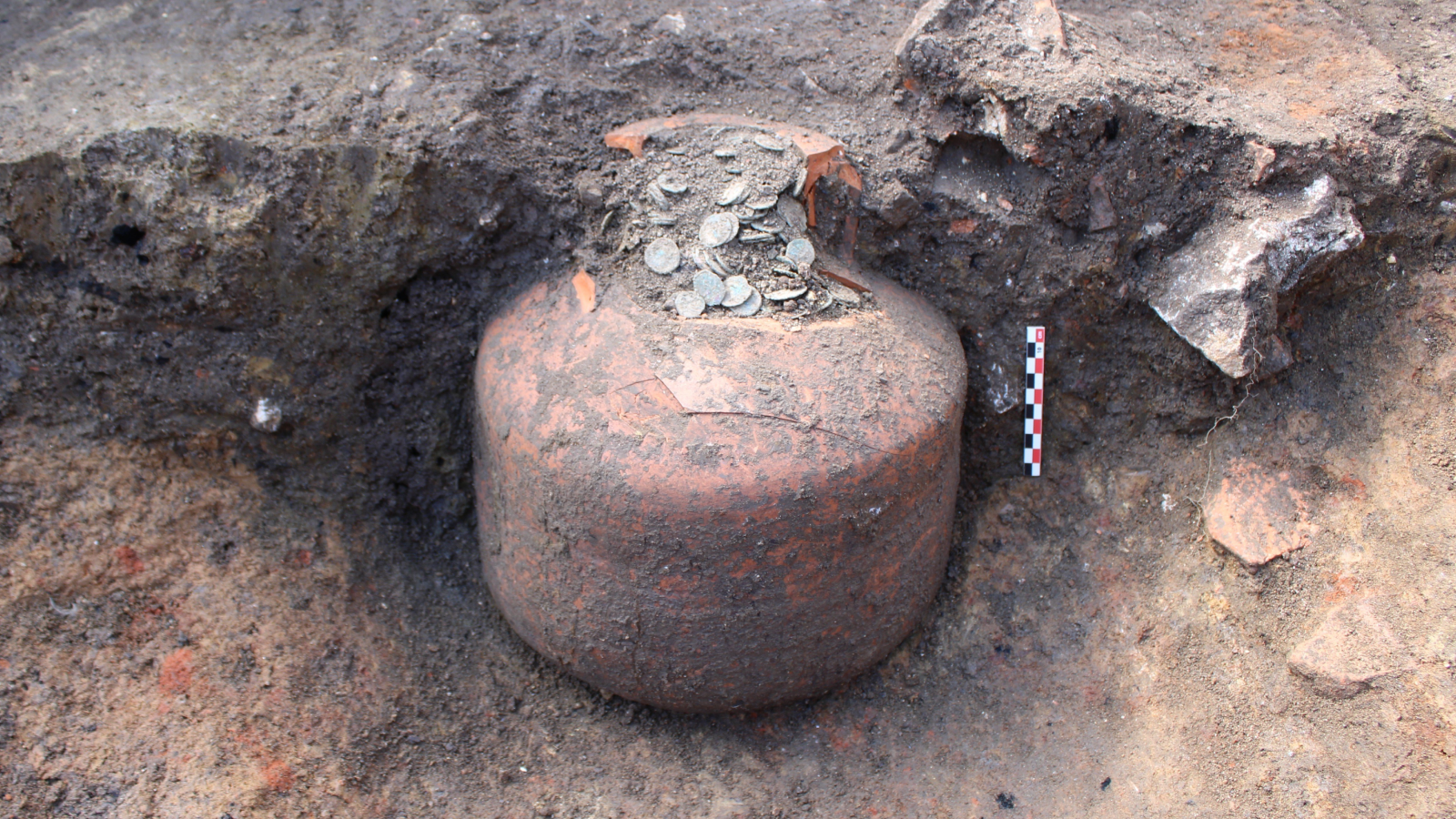 1,800-year-old 'piggy banks' full of Roman-era coins unearthed in French village
Latest in News
1,800-year-old 'piggy banks' full of Roman-era coins unearthed in French village
Latest in News
 Gray hair may have evolved as a protection against cancer, study hints
 How to find the 'Christmas Star' — and what it really is
 Glue strong enough to tow a car made from used cooking oil
 Historic search for 'huge missing piece' of the universe turns up negative — but reveals new secrets of particle physics
 Today's biggest science news: Japan earthquake | Robot kicks CEO | Northern Lights forecast
 New 3I/ATLAS images show the comet getting active ahead of close encounter with Earth
LATEST ARTICLES
New 3I/ATLAS images show the comet getting active ahead of close encounter with Earth
LATEST ARTICLES- 1Gray hair may have evolved as a protection against cancer, study hints
- 2Is the 'Star of Bethlehem' really a planet? A bright visitor this month may hold a clue.
- 3Rare 'sunglint' transforms Alabama River into a giant 'golden dragon' — Earth from space
- 4Glue strong enough to tow a car made from used cooking oil
- 5Historic search for 'huge missing piece' of the universe turns up negative — but reveals new secrets of particle physics