- Space
- Astronomy
- Comets
NASA and ESA both shared new images of the interstellar comet 3I/ATLAS this week, as the agencies gear up for the mysterious object's closest approach to Earth on Dec. 19.
5 Comments Join the conversationWhen you purchase through links on our site, we may earn an affiliate commission. Here’s how it works.
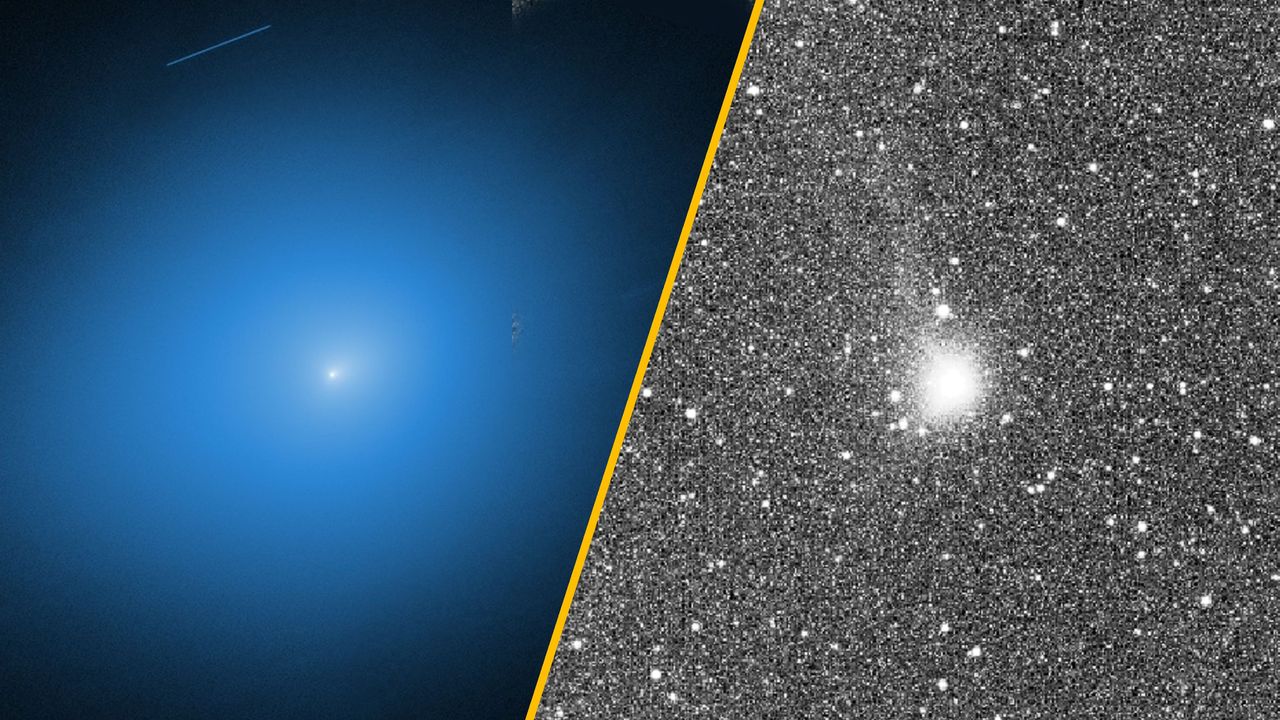
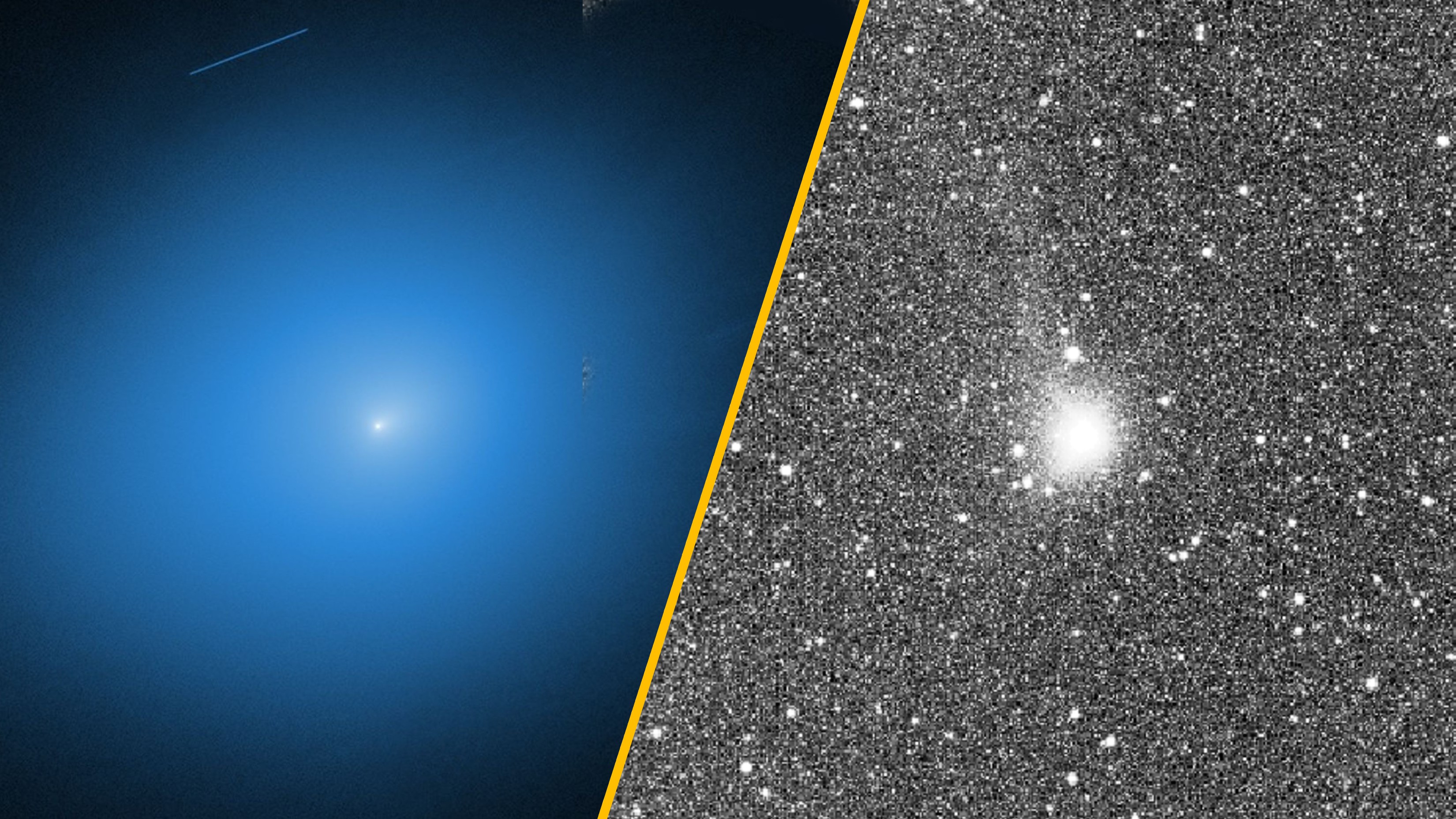 The Hubble (left) and Juice (right) spacecraft both imaged interstellar comet 3I/ATLAS shortly after its closest approach to the sun in late October.
(Image credit: NASA / Hubble (left) and ESA / Juice (right))
The Hubble (left) and Juice (right) spacecraft both imaged interstellar comet 3I/ATLAS shortly after its closest approach to the sun in late October.
(Image credit: NASA / Hubble (left) and ESA / Juice (right))
The celebrity comet 3I/ATLAS is showing itself out of our solar system for good — but not before the cosmic paparazzi at Earth's space agencies snap some of the clearest photos of it yet.
Discovered in late June and confirmed to be the third known interstellar object in July, 3I/ATLAS has spent the past several months zooming through the inner solar system at an estimated 130,000 mph (210,000 km/h). The massive, jet-spewing snowball made its closest approaches to Mars and the sun in October. It is due for its closest encounter with Earth on Dec. 19, when it will be about 170 million miles (270 million kilometers) away — nearly twice the distance between our planet and the sun.
You may like-
 Interstellar object 3I/ATLAS is about to get very active — Space photo of the week
-
 'Closest view' yet of interstellar comet 3I/ATLAS captured by Mars orbiter
-
 New images of interstellar object 3I/ATLAS show giant 'jet' shooting toward the sun
Hubble doubles down
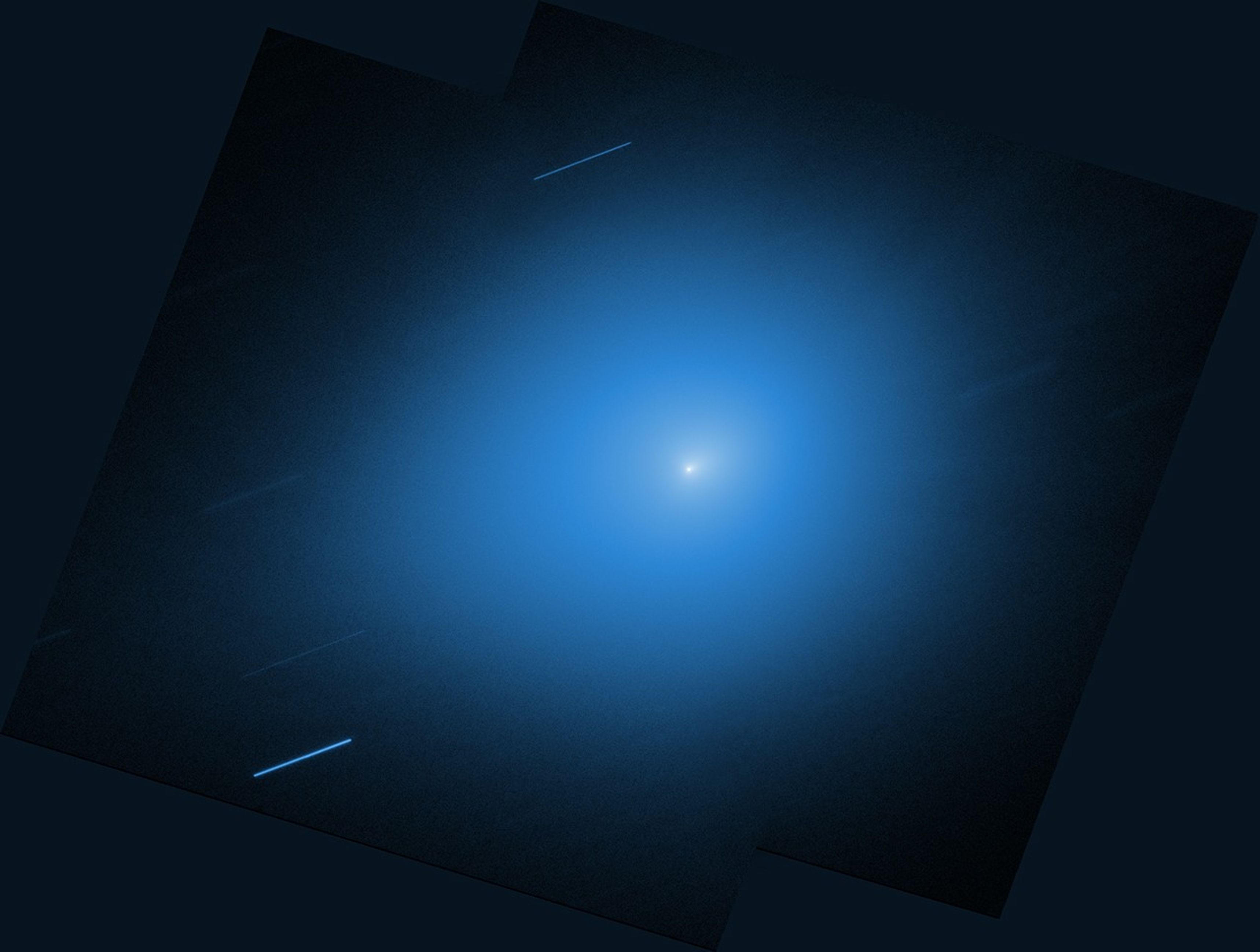
On Thursday (Dec. 4), NASA shared the latest image of 3I/ATLAS taken by the Hubble Space Telescope. The glowing white dot at the center of the image shows the comet's nucleus (its main body) and coma, the bright atmosphere of gas and dust that wraps around the comet before getting funneled into its tail. In the background, stars are stretched into long streaks as Hubble's camera stays fixed on the fast-moving comet.
Comets typically brighten as they approach the sun, when the ice within them heats up and sublimates. Solar radiation pushes this gas into a tail that stretches away from the sun. Meanwhile, the warmest, sun-facing side of the comet may erupt with jets of gas and dust angled toward our star. Both of these features are faintly visible in the new Hubble image.
NASA snapped this image on Nov. 30, when Hubble was about 178 million miles (286 million km) from the comet. This is considerably closer than when Hubble first imaged the comet in late July. Although that first view showed little more than a blue blur, it nevertheless allowed scientists to constrain 3I/ATLAS' size to somewhere between 1,400 feet (440 meters) and 3.5 miles (5.6 km) wide — likely the largest interstellar object seen to date.
New data from this image, including details of the coma's composition, has yet to be released but is likely on the way.
Sign up for the Live Science daily newsletter nowContact me with news and offers from other Future brandsReceive email from us on behalf of our trusted partners or sponsorsBy submitting your information you agree to the Terms & Conditions and Privacy Policy and are aged 16 or over.ESA juices up
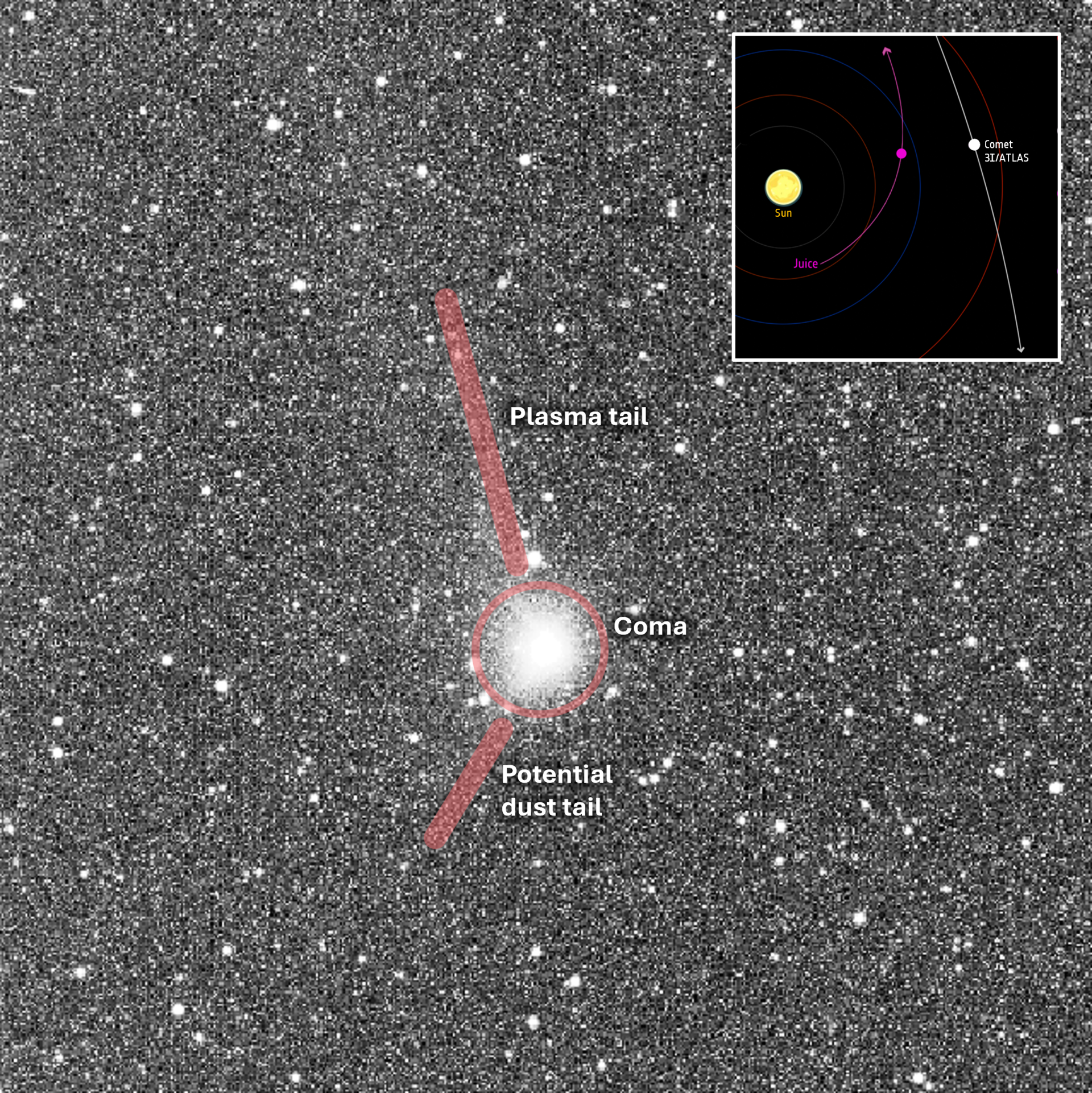
Also on Thursday, ESA shared its latest view of the comet, taken by the Jupiter Icy Moons Explorer (Juice) orbiter on its way to study Jupiter's moons for signs of life. Juice snapped the image Nov. 2, just days after 3I/ATLAS' close approach to the sun.
Located even closer to its target than Hubble (only 41 million miles, or 66 million km, away), Juice shows us a comet brimming with activity.
"Not only do we clearly see the glowing halo of gas surrounding the comet known as its coma, we also see a hint of two tails," an ESA spokesperson wrote in a statement. "The comet's 'plasma tail' — made up of electrically charged gas, stretches out towards the top of the frame. We may also be able to see a fainter 'dust tail' — made up of tiny solid particles — stretching to the lower left of the frame."
Earth gets ready
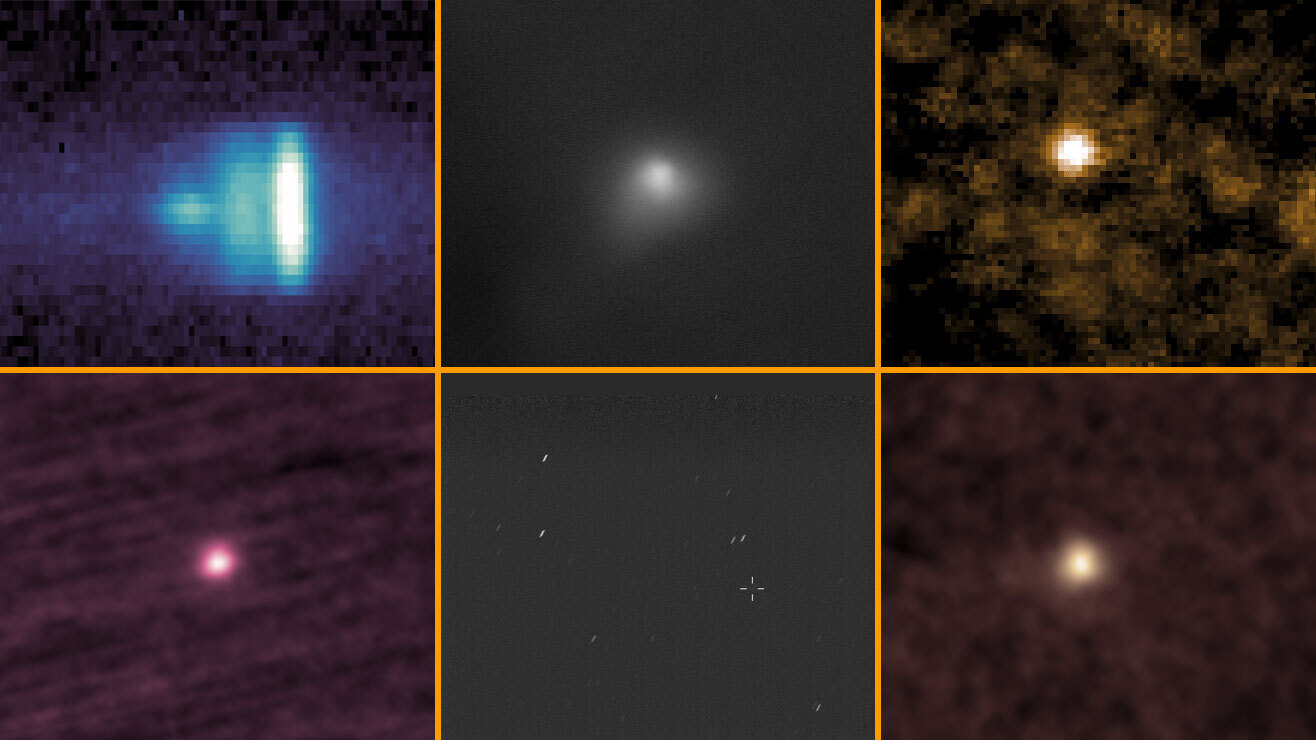
Juice observed 3I/ATLAS with five scientific instruments on two days. But besides this teaser image, we don't yet know what those instruments saw; the full data set won't reach Earth until late February 2026, according to ESA. That's because Juice is currently using its main antenna as a heat shield to protect it during its close pass of the sun, and relying on its smaller, less efficient antenna to beam its observations back to us.
related stories—'From another world': 3I/ATLAS photobombs a galaxy and shows off its multiple tails in stunning new image
—Mars orbiter narrows down the exact path of interstellar comet 3I/ATLAS by 'ten-fold,' surprising scientists
—Astronomers detect first 'radio signal' from interstellar comet 3I/ATLAS — but it wasn't aliens
While there's little we can learn from NASA's and ESA's new images without the full complement of scientific data, it's a good reminder that human space exploration pays off in unexpected ways. Hubble and Juice number among a dozen spacecraft that have observed 3I/ATLAS from around the solar system, including Mars rovers, solar orbiters, asteroid trackers and space telescopes that were never intended to track comets.
And there's more to come: As 3I/ATLAS draws closer to Earth, the James Webb Space Telescope will take another look at it, while countless scientific observatories and amateur astronomers will have their chance to watch it as well. When you're dealing with a mysterious intruder from parts unknown, every observation matters.
TOPICS 3I/ATLAS NASA Brandon SpecktorSocial Links NavigationEditor
Brandon is the space / physics editor at Live Science. With more than 20 years of editorial experience, his writing has appeared in The Washington Post, Reader's Digest, CBS.com, the Richard Dawkins Foundation website and other outlets. He holds a bachelor's degree in creative writing from the University of Arizona, with minors in journalism and media arts. His interests include black holes, asteroids and comets, and the search for extraterrestrial life.
You must confirm your public display name before commenting
Please logout and then login again, you will then be prompted to enter your display name.
Logout Read more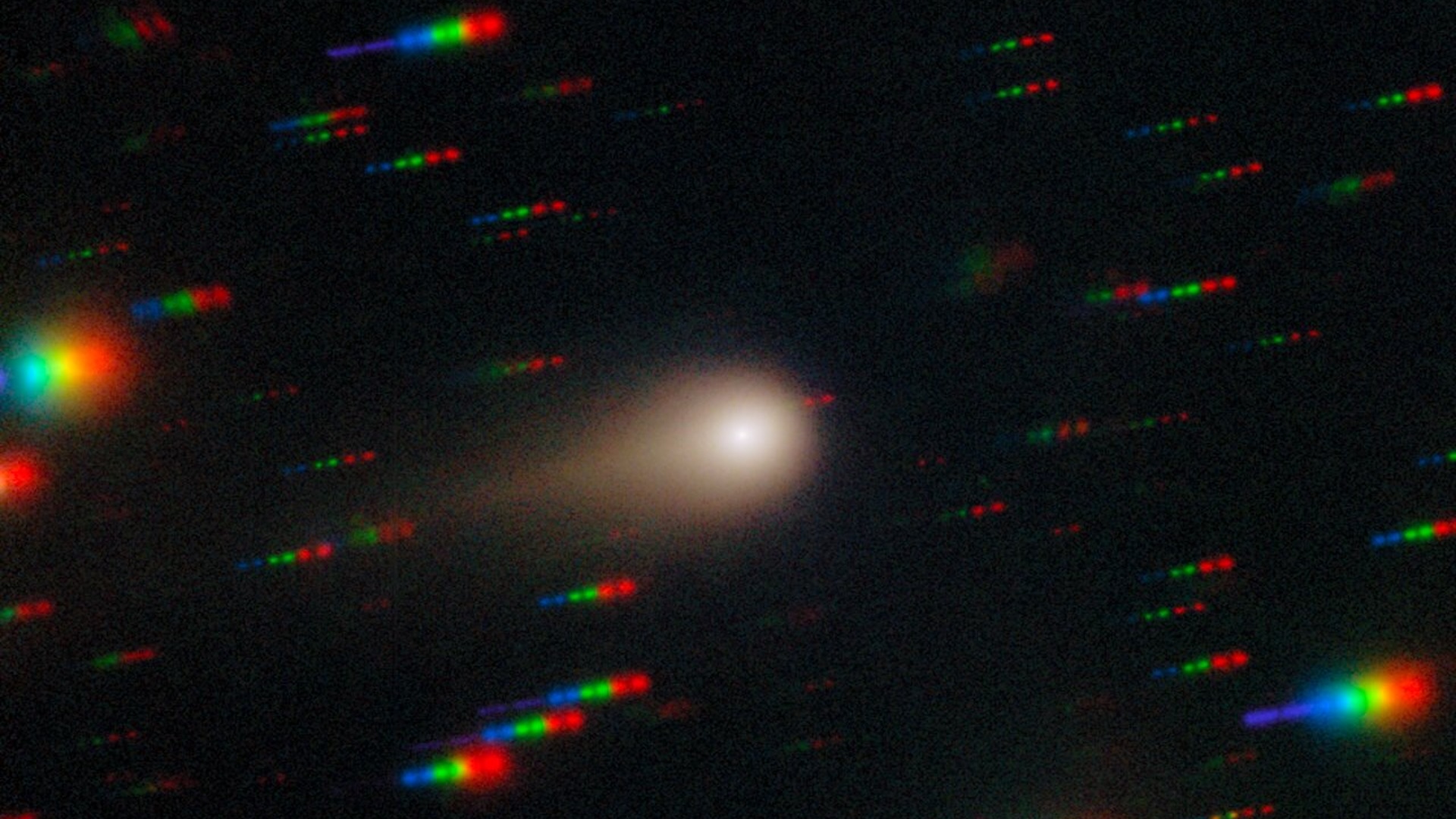 Interstellar object 3I/ATLAS is about to get very active — Space photo of the week
'Closest view' yet of interstellar comet 3I/ATLAS captured by Mars orbiter
Interstellar object 3I/ATLAS is about to get very active — Space photo of the week
'Closest view' yet of interstellar comet 3I/ATLAS captured by Mars orbiter
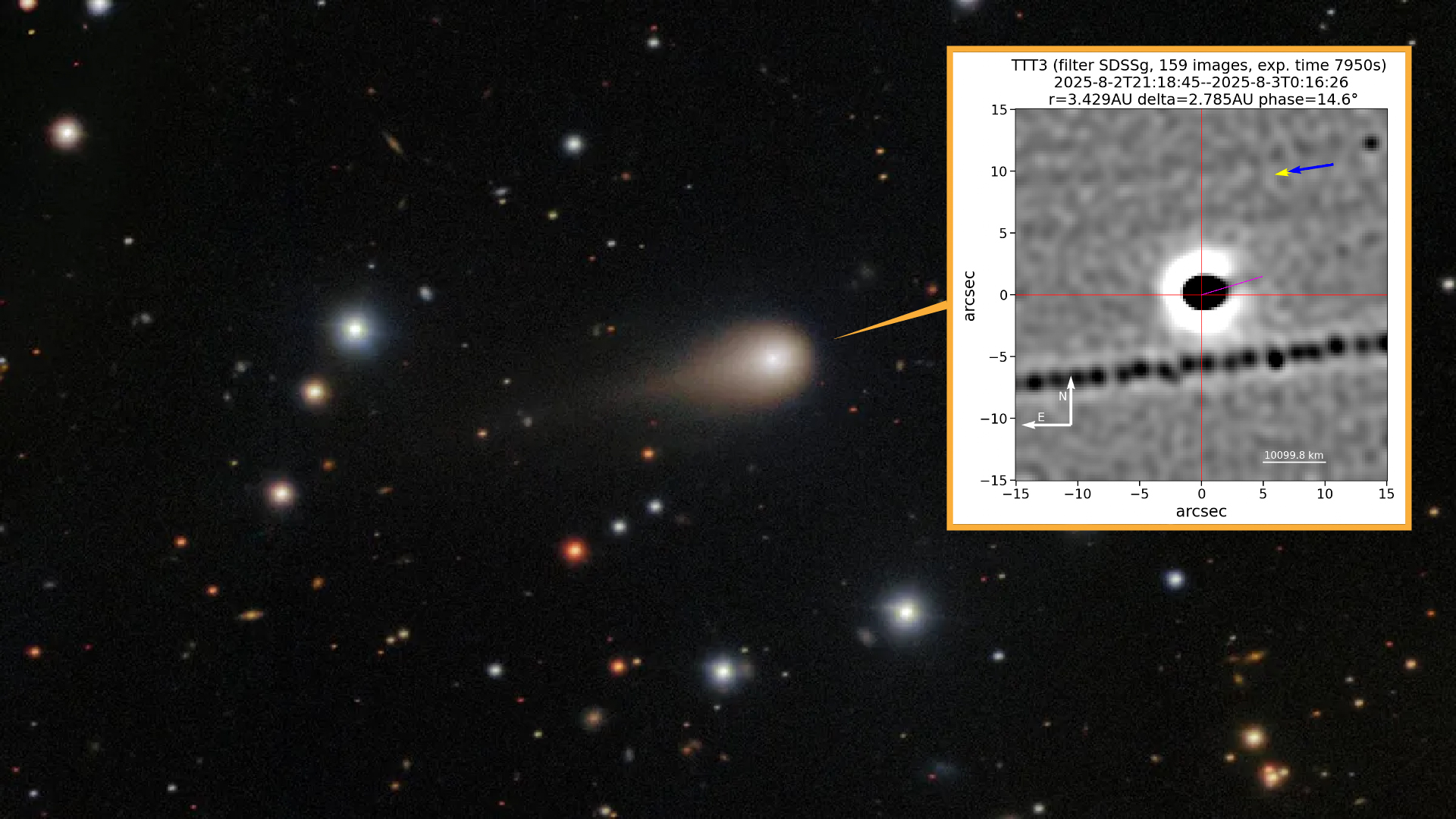 New images of interstellar object 3I/ATLAS show giant 'jet' shooting toward the sun
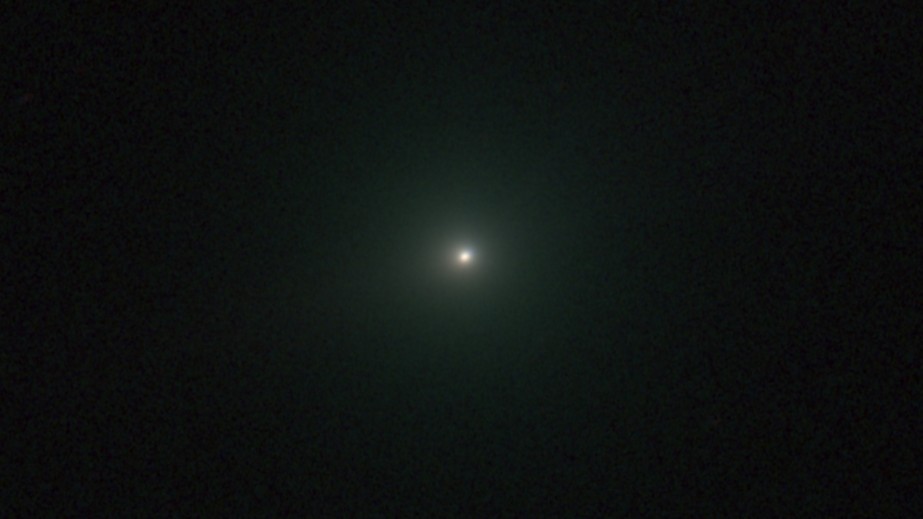 Irradiated Comet 3I/ATLAS glows green and hides its tail in new image
 '3I/ATLAS is a comet': NASA finally releases new 3I/ATLAS images and addresses alien rumors
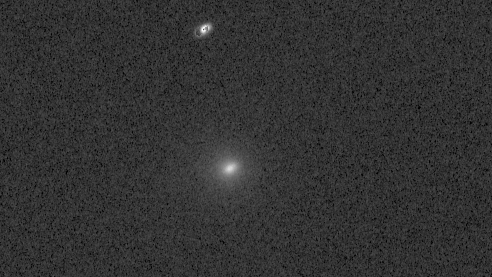 Astronomer reveals first look at Comet 3I/ATLAS as it reappears from behind the sun
Latest in Comets
Astronomer reveals first look at Comet 3I/ATLAS as it reappears from behind the sun
Latest in Comets
 RIP 'other ATLAS': Watch the doomed comet explode into pieces in incredible new images
Comet 3I/ATLAS gallery: See NASA's long-awaited images of interstellar visitor
'3I/ATLAS is a comet': NASA finally releases new 3I/ATLAS images and addresses alien rumors
RIP 'other ATLAS': Watch the doomed comet explode into pieces in incredible new images
Comet 3I/ATLAS gallery: See NASA's long-awaited images of interstellar visitor
'3I/ATLAS is a comet': NASA finally releases new 3I/ATLAS images and addresses alien rumors
 'From another world': 3I/ATLAS photobombs a galaxy and shows off its multiple tails in stunning new image
Watch live: New images of comet 3I/ATLAS revealed by NASA today (Nov. 19)
'From another world': 3I/ATLAS photobombs a galaxy and shows off its multiple tails in stunning new image
Watch live: New images of comet 3I/ATLAS revealed by NASA today (Nov. 19)
 Mars orbiter narrows down exact path of interstellar comet 3I/ATLAS
Latest in News
Mars orbiter narrows down exact path of interstellar comet 3I/ATLAS
Latest in News
 Today's biggest science news: Kilauea lava fountains | Northern Lights forecast | Comet 3I/ATLAS activity
 The 'hobbits' may have died out when drought forced them to compete with modern humans, new research suggests
New 3I/ATLAS images show the comet getting active ahead of close encounter with Earth
The 'hobbits' may have died out when drought forced them to compete with modern humans, new research suggests
New 3I/ATLAS images show the comet getting active ahead of close encounter with Earth
 Ethereal structure in the sky rivals 'Pillars of Creation' — Space photo of the week
 Unusual, 1,400-year-old cube-shaped human skull unearthed in Mexico
 Strangely bleached rocks on Mars hint that the Red Planet was once a tropical oasis
LATEST ARTICLES
Strangely bleached rocks on Mars hint that the Red Planet was once a tropical oasis
LATEST ARTICLES- 1Today's biggest science news: Kilauea lava fountains | Northern Lights forecast | Comet 3I/ATLAS activity
- 2Ash Pendant: The only known depiction of a pregnant Viking woman
- 3The 'hobbits' may have died out when drought forced them to compete with modern humans, new research suggests
- 4Lost Indigenous settlements described by Jamestown colonist John Smith finally found
- 5Strangely bleached rocks on Mars hint that the Red Planet was once a tropical oasis